Buddy robotics Buddy robotics

2026 Best Robot Toys Why Is My Child Scared of Them?

Time:2026-10-24 Author:Charlotte
0%

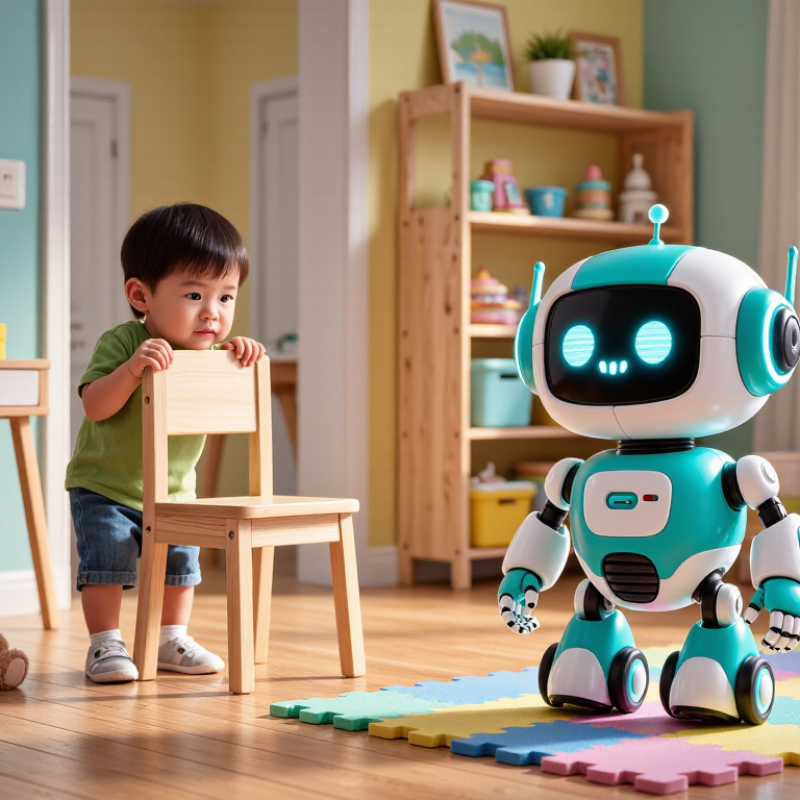
Why is my child scared of the robot toy? Many parents ask this after seeing a child freeze, hide, or cry near a moving toy. The reaction can seem surprising, especially when the robot looks colorful and friendly. Yet fear often has a clear cause. Sudden sounds, flashing eyes, stiff movements, or unexpected turns can overwhelm a young child’s senses. The robot may also look almost human, but not quite. That unusual appearance can feel confusing.

Dr. Amanda Gummer, a child-development and play expert, often emphasizes that “the right toy is the one that suits the individual child.” This idea matters when choosing interactive robots. A toy that excites one child may frighten another. Age, temperament, sensory sensitivity, and earlier experiences all shape that response. Even a loud demonstration at a store can leave a lasting impression.

This 2026 guide explores why robot toys trigger fear and how parents can respond calmly. It considers design, sound levels, movement patterns, and realistic expectations. It also explains how to introduce a robot slowly, without forcing contact. Let the child watch from a safe distance. Turn the toy off when needed. Small steps matter.

A quiet beginning helps.

Parents may expect a child to “get used to it,” but pressure can deepen the fear. That assumption deserves reflection. A child’s hesitation is not bad behavior. It is useful information. By observing carefully, families can choose safer, gentler play experiences and build trust at the child’s pace.
2026 Best Robot Toys Why Is My Child Scared of Them?

2026 Robot-Toy Types: IFR’s Consumer-Service-Robot Categories Explained

2026 Best Robot Toys: Why Is My Child Scared of Them?

The IFR’s World Robotics 2024 report separates consumer service robots into practical groups. These include domestic-task robots, entertainment and leisure robots, education robots, and assistance robots. Domestic-task models perform visible chores, such as floor cleaning or simple object delivery. Entertainment robots focus on play, interaction, and storytelling. Education robots support coding, problem-solving, or classroom practice. Assistance robots aim to help older people or users with specific needs. In 2023, consumers purchased nearly 20 million service robots worldwide, according to IFR data. Domestic applications represented the largest share. The number is impressive, but it does not measure children’s comfort.

A child may fear a robot because it moves unpredictably, speaks suddenly, or has bright eyes. A small robot crossing a dark floor can feel strangely alive. My own observation is simple: children often accept a silent machine before accepting one that imitates emotions. Adults sometimes introduce toys too quickly. That mistake matters. Children need control, distance, and repeated observation. A robot can be educational, yet still feel intrusive. Current market categories describe function, not emotional readiness. That gap deserves more attention in future reports.

Tips: Let your child watch first. Keep the robot switched off nearby. Explain its sensors with a flashlight and a hand gesture. Avoid forced touching or surprise movements. Choose slower settings when available. Ask what feels frightening, but accept “I don’t know.” A short, calm session may work better than enthusiastic praise.

Why Children Fear Robots: Novelty, Motion, Sound, and Uncanny Faces

2026 Best Robot Toys: Why Is My Child Scared of Them?

A robot can look harmless to an adult but feel unpredictable to a child. Its sudden arm movements may resemble a jump, especially in a quiet room. Electronic sounds can also seem sharp, loud, or difficult to understand. Novel objects demand extra mental effort. Young children often need time before they decide something is safe.

I once assumed a child would enjoy a moving toy after seeing its bright lights. That assumption was too simple. A child may fear the toy’s blinking eyes, stiff walking pattern, or almost-human face. This reaction is sometimes called the uncanny effect. Familiar features mixed with mechanical movements can create discomfort. Children with sensory sensitivities may respond even more strongly to noise, vibration, or flashing light.

Move slowly. Keep the robot switched off at first. Let your child touch it, inspect it, or ignore it. Their choice matters. Demonstrate the toy from several feet away, then use short play sessions. Lower the volume when possible. Avoid forcing eye contact or participation. A calm voice can help. So can a favorite blanket nearby. If fear continues across many situations, speak with a pediatrician or child-development professional. I still think adults sometimes rush this process. Safety is not proven by one brave moment.

Age and Screen Factors: AAP’s One-Hour Rule for Children Ages 2–5

2026 Best Robot Toys: Why Is My Child Scared of Them?

A child may fear a robot toy because its eyes flash, wheels move suddenly, or sounds start without warning. Age matters. A two-year-old may read unfamiliar movement as a threat, while a five-year-old may worry about what the robot can do. I have seen children relax when adults switch off the lights and explain each movement slowly. The first attempt is not always successful.

Screen exposure can intensify this reaction. The American Academy of Pediatrics recommends no more than one hour of high-quality screen media daily for children ages two to five. It also encourages adult co-viewing and conversation. The 2020 Common Sense Census reported that children ages zero to eight averaged about two hours and twenty-four minutes of screen media daily. That figure exceeds the AAP limit, although it covers a wider age group.

Keep robot videos brief. Let the child touch the toy while it is powered off. Then show one action, such as rolling forward, before adding lights or speech. Avoid placing a screen beside the toy. A child may confuse rapid digital effects with real behavior. Pause often. Ask, “Was that sound too loud?” Do not force contact.

This approach needs flexibility. Some children enjoy robots after one meeting; others need several weeks. Adults can also overestimate screen effects. Sleep, temperament, recent stress, and loud household noise may matter more. Track the pattern, not one frightened moment.

2026 Best Robot Toys: Why Is My Child Scared of Them?

Age and screen factors: the AAP’s one-hour rule for children ages 2–5

The American Academy of Pediatrics recommends limiting routine screen use to no more than one hour per day for children ages 2–5. This is a maximum guideline, not a target. Fast movement, loud sounds, realistic faces, sudden robotic actions, or frightening screen content may make some young children feel overwhelmed. Co-viewing, choosing calm age-appropriate content, and introducing unfamiliar toys gradually can help.

Source: American Academy of Pediatrics, “Media and Young Minds” policy guidance. Screen-time values shown are the daily upper limit for ages 2–5.

Safety Standards for Robot Toys: ASTM F963-23 and CPSC Requirements

In 2026, the best robot toy is not simply the most advanced one. A child may fear flashing eyes, sudden movement, or a loud motor. Safety testing matters because comfort begins with predictable behavior.

ASTM F963-23 addresses key toy risks, including mechanical hazards, flammability, accessible chemicals, batteries, and electrical components. In the United States, covered toys must meet applicable federal requirements enforced by the CPSC. Manufacturers generally need testing through CPSC-accepted laboratories and a Children’s Product Certificate. Tracking labels should identify production details, not just a decorative model name. Check the packaging and instructions carefully.

Look closely at the robot before giving it to a child. Inspect seams, wheels, antennae, and battery compartments for loose parts or sharp edges. Confirm that the battery door closes securely. Button batteries and powerful magnets need special caution because swallowed parts can cause severe injury. Keep the first session quiet. Disable sound and flashing lights if possible, then let the child touch the toy while it remains switched off. Small steps help.

Compliance is not a promise that every child will feel safe. A robot can pass testing and still appear frightening in a dark bedroom. I sometimes focus too much on technical labels and overlook the child’s expression. That is a useful reminder. Stop when the child freezes, cries, or hides, and reintroduce the toy later in daylight. A simple human check still matters.

2026 Best Robot Toys Why Is My Child Scared of Them? - Safety Standards for Robot Toys: ASTM F963-23 and CPSC Requirements

Compliance information is presented as a practical screening guide. Applicability depends on the toy’s design, intended age, materials, electronics, and sales channel.
Safety Dimension Relevant Standard or Requirement Key Facts for Robot Toys Possible Fear or Discomfort Trigger Practical Parent Check
Mechanical and physical hazards ASTM F963-23, mechanical and physical properties The toy should not create unreasonable hazards from accessible sharp points, sharp edges, loose parts, pinch points, or unsafe moving components when tested under the applicable procedures. Sudden arm movement, fast wheels, unexpected turning, or a hand-closing feature may appear threatening to a young child. Inspect joints, wheels, screws, covers, and detachable pieces. Stop use if a part becomes loose or creates a sharp edge.
Small parts and age grading CPSC small-parts requirements and ASTM F963-23 age-related testing Toys intended for children under 3 years must not contain accessible small parts that present a choking, aspiration, or ingestion hazard. Age warnings must match the toy’s reasonably foreseeable use. A child may become anxious when adults repeatedly remove small accessories or restrict how the robot can be handled. Follow the stated age range. Keep detachable accessories away from children who may mouth objects.
Sound output ASTM F963-23 sound-producing toy provisions Sound-producing toys are evaluated using specified measurement conditions and exposure considerations. Sound that is close to the ear can present greater concern than sound at a distance. Loud speech, alarms, beeps, or a voice that starts without warning can cause a startle response or fear. Test the volume before giving the toy to a child. Use a low-volume mode when available and avoid placing speakers next to the ear.
Battery compartment security ASTM F963-23 battery-access provisions and applicable CPSC rules Accessible batteries can create ingestion, burn, chemical, or fire hazards. Battery compartments intended to be opened by children may require a tool or another secure design, depending on the battery type and toy configuration. Battery sounds, overheating, an unusual smell, or a malfunctioning motor can make a child avoid the toy. Check that the compartment is secure, batteries are not damaged, and the toy is not hot, swollen, leaking, or emitting an unusual odor.
Button-cell and coin batteries CPSC Reese’s Law and 16 CFR Part 1263, where applicable Products containing or designed to use button-cell or coin batteries may require secure compartments, warning labels, packaging warnings, and specific performance and labeling measures. Ingestion can cause severe internal injury. A flashing light or hidden battery compartment may make the toy seem mysterious or unpredictable to a child. Keep loose batteries locked away. Never allow a child to handle a removed coin battery or a toy with an unsecured battery door.
Magnets ASTM F963-23 magnet provisions and applicable CPSC magnet requirements Magnets that detach from a toy can cause serious gastrointestinal injury if swallowed, particularly when more than one magnet is ingested. Magnetic components should remain secured during reasonably foreseeable use and abuse testing. Magnetic docking, sudden attachment, or unexpected movement may startle a child. Do not use a toy with a loose or missing magnet. Seek urgent medical advice if a child may have swallowed a magnet.
Flammability ASTM F963-23 flammability provisions and CPSC flammability rules Materials used in toys must meet applicable flammability requirements. Fabric coverings, hair-like fibers, foam, and decorative materials may require specific testing. A hot motor, burning smell, smoke, or unusual heat can create an immediate fear response. Keep the robot away from flames and heaters. Discontinue use if it overheats, smokes, sparks, or smells burned.
Heavy elements and surface coatings CPSC lead limits under the Consumer Product Safety Improvement Act Children’s products are generally subject to a total lead limit of 100 parts per million in accessible substrate material, where technologically feasible, and a 90 parts per million limit for lead in paint and similar surface coatings. Peeling paint or a strong chemical odor may cause a child to distrust the toy, in addition to indicating a potential product-quality issue. Do not allow children to chew painted surfaces. Remove toys with peeling coatings or unexplained residue.
Phthalates in accessible materials CPSC phthalate restrictions for specified children’s toys and child-care articles Certain specified phthalates are restricted to a maximum concentration of 0.1% in accessible plasticized components and other covered materials. A sticky surface, strong odor, or deteriorating soft plastic can make a child uncomfortable around the toy. Check soft plastic parts periodically and follow the cleaning and storage instructions.
Electrical and charging safety ASTM F963-23 electrical provisions and applicable CPSC requirements Powered toys should be designed to reduce risks from accessible live parts, overheating, short circuits, and incorrect charging. A charger should be used only as instructed. Unexpected startup, flashing lights, vibration, or movement while charging may feel unsafe to a child. Charge under adult supervision on a stable, nonflammable surface and disconnect the toy if it becomes unusually hot.
Third-party testing and certification CPSC third-party testing and Children’s Product Certificate requirements Manufacturers and importers of regulated children’s products generally must use CPSC-accepted third-party laboratories for applicable testing and issue a Children’s Product Certificate identifying the regulations and standards met. A lack of clear instructions, age information, or safety warnings can increase uncertainty for both children and caregivers. Look for clear age grading, operating instructions, battery warnings, and traceability information on the product or packaging.
Tracking labels and recall information CPSIA tracking-label requirements and CPSC recall notices Covered children’s products generally need permanent distinguishing information such as production location and date or batch details, when practicable. Recall information should be checked when a safety concern arises. A toy that behaves differently after a software, battery, or mechanical fault may cause a child to lose confidence in it. Keep the packaging or model information and check current CPSC recall notices if the toy malfunctions.
Child-centered introduction Not a specific ASTM or CPSC test requirement; recommended developmental practice Safety compliance does not guarantee that every child will feel comfortable. Children may react to unfamiliar faces, human-like movement, loud voices, eye lights, or autonomous behavior. The most common triggers are unpredictability, rapid movement, loud sound, realistic facial features, and movement toward the child. Begin with the robot powered off, let the child observe from a distance, explain each action, and allow the child to control the start and stop functions.
Important: ASTM F963-23 and CPSC requirements address product safety hazards; they do not determine whether a child will emotionally accept a particular robot toy. Always follow the product’s age grading, warnings, instructions, and current regulatory guidance.

A Three-Step, Child-Led Plan for Introducing Frightening Robot Toys

2026 Best Robot Toys: Why Is My Child Scared of Them?

A robot toy can look friendly to adults, yet feel unpredictable to a child. Moving eyes, sudden sounds, or stiff movements may trigger fear. The American Academy of Pediatrics encourages responsive, child-centered support during stressful experiences. Do not force contact or call the fear silly. Your child needs control before curiosity can grow.

Start with distance. Let your child watch the robot while it stays switched off. Invite them to choose its position, such as a shelf or doorway. Then add one feature at a time, perhaps a quiet light before movement. A 2024 global play report, based on more than 57,000 parents, found that most parents view play as important for children’s emotional well-being. Still, play only helps when it feels safe. I once introduced a noisy toy too quickly. The child hid behind a chair, and I had mistaken silence for readiness.

Tips: Ask, “What should we try?” Use a stop signal, like an open palm. Keep sessions under five minutes. Never sneak the robot closer. Praise communication, not bravery.

After several calm attempts, let your child control the switch or remote. You can model mild uncertainty: “That sound surprised me.” This makes fear discussable without making the robot dangerous. If distress continues, pause for several days and observe sleep, play, and avoidance patterns. Persistent fear deserves advice from a qualified pediatrician or child psychologist.

FAQS

Why might a child fear a robot toy?

Sudden movement can feel like a jump. Flashing eyes may look threatening. Electronic sounds can seem sharp and confusing. Young children often need time with unfamiliar objects. The fear is real.

Can an almost-human robot face make children uncomfortable?

Yes. Familiar eyes and faces can feel strange when they move mechanically. This reaction may resemble an uncanny effect. Stiff walking can increase discomfort. It is not simple stubbornness.

How should an adult introduce a frightening robot?

Keep the robot switched off first. Place it several feet away. Let the child touch it, inspect it, or ignore it. Show one movement at a time. A quiet room helps. Do not rush.

What can reduce frightening sounds, lights, and movement?

Lower the volume when possible. Disable flashing lights during early play. Demonstrate slow rolling before adding speech. Use short sessions in daylight. A favorite blanket may provide comfort. Small steps work better.

Should adults force a child to touch or watch the robot?

No. Do not force contact, eye contact, or participation. Stop if the child freezes, cries, or hides. Offer another chance later. One brave moment proves very little.

Does age affect a child’s reaction to robot toys?

Yes. A two-year-old may see unfamiliar movement as danger. A five-year-old may wonder what the robot can do. Temperament also matters. The first attempt may fail.

Can screen exposure affect fear of robot toys?

It may intensify rapid visual reactions in some children. For ages two to five, many pediatric guidelines suggest about one hour of daily screen media. Adults should watch together and talk. Keep robot videos brief. Screen effects may not be the main cause.

What safety details should adults check before giving a robot toy?

Inspect wheels, seams, antennae, and battery compartments. Look for sharp edges or loose parts. Confirm that the battery door closes securely. Keep button batteries and strong magnets away from children. Safety labels help, but they do not guarantee comfort.

When should a parent seek professional advice?

Seek advice if fear continues across many situations. A pediatric or child-development professional can help. Track patterns over several days. Sleep, stress, sensory sensitivity, and household noise may matter. I may overestimate the robot itself.

Conclusion

This guide explores the main types of robot toys, including interactive companions, educational machines, remote-controlled models, and service-inspired designs. It also answers the common question, “Why is my child scared of the robot toy?” Children may react to unfamiliar movement, unexpected sounds, flashing lights, or faces that look almost—but not quite—human. Age, personality, previous experiences, and excessive screen exposure can also influence their response. For children ages 2–5, balanced media habits and limited daily screen time may help prevent overstimulation.

The article also explains how parents can evaluate robot toys using recognized toy-safety standards, including age labels, secure batteries, durable parts, safe materials, and appropriate sound levels. A gentle, three-step introduction can make a frightening toy feel safer: first, let the child observe it while it is turned off; next, allow the child to control brief interactions from a comfortable distance; finally, encourage play only when the child shows interest. Children should never be pressured, and stopping the activity is always acceptable.

Charlotte

Charlotte

Charlotte is a seasoned marketing professional with a deep understanding of the company's portfolio and a passion for elevating its presence in the market. With a keen eye for detail and a commitment to excellence, she ensures that our professional blog is regularly updated with insightful articles......