Buddy robotics Buddy robotics

5 Best Robots to Help Children With Autism?

Time:2026-10-21 Author:Isabella
0%

Robots are becoming practical tools in some autism support settings, especially for communication, social learning, and daily routines. Can a robot help a child with autism? Sometimes, but the answer depends on the child, the robot, and the support around them. A friendly face, predictable voice, or gentle reminder may reduce pressure during practice. It may also make a difficult task feel safer.

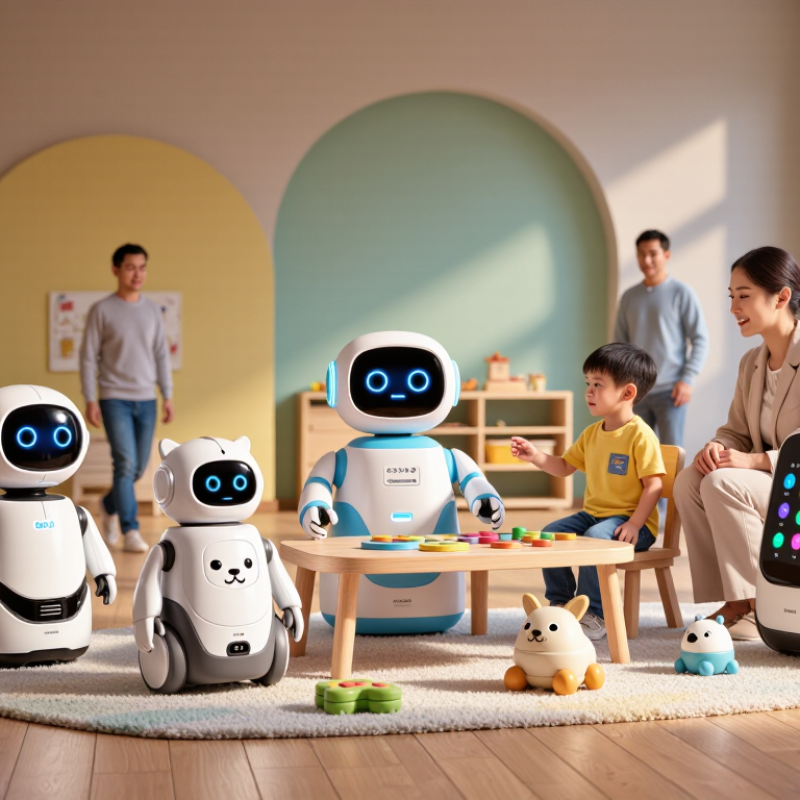
This guide explores five robots designed to support children with autism. These machines can model greetings, encourage turn-taking, repeat instructions, or guide simple breathing exercises. Some use lights, movement, touch sensors, or tablet controls. A therapist might use one during a short session, while a parent observes the child’s responses. Small details matter, such as volume, flashing lights, battery heat, and the robot’s distance from the child.

Robots are not replacements for parents, teachers, speech therapists, or clinical care. Research remains promising but uneven, and many products need stronger independent testing. A robot that helps one child may distract or upset another. That limitation deserves honest attention. I may also overestimate a robot’s value if I focus only on impressive demonstrations. Real progress should be measured through the child’s comfort, communication, participation, and skills beyond the device. Each option should be reviewed for safety, privacy, accessibility, cost, and professional guidance. The best robot is not always the most advanced. It is the one that fits the child’s needs without creating new stress.
5 Best Robots to Help Children With Autism?

What Autism Support Robots Are and How They Work

What Autism Support Robots Are and How They Work

Autism support robots are interactive tools, not replacement therapists. They use cameras, microphones, touch sensors, and programmed responses to support communication practice. The CDC’s 2023 ADDM report identified autism in about 1 in 36 eight-year-old children in the United States. That figure shows the need for accessible support, but not every child needs the same technology.

The five most useful robot roles are social interaction, speech practice, emotion coaching, sensory regulation, and remote participation. A small robot may face a child at eye level and model simple turn-taking. Another may display picture cards, pause for an answer, and repeat a phrase slowly. Some systems use gentle lights or predictable sounds. Others connect a child with a teacher through a screen. Predictability matters.

Research remains promising but uneven. A systematic review in Autism Research found that robot-assisted interventions can improve engagement and social responses in some settings. However, studies often involve small samples and short sessions. That limitation matters. A child may respond well to a robot during therapy, then ignore it at home. Adults should track real behaviors, such as requesting help or waiting for a turn, rather than counting smiles.

Good systems allow adjustable volume, movement, prompts, and session length. A trained professional should supervise use and protect the child’s privacy. Technology can open a door. It cannot decide where that door should lead.

Key Features to Consider When Choosing a Robot

5 Best Robots to Help Children With Autism?

Choosing a robot starts with the child, not the machine. The World Health Organization estimates that about 1 in 100 children worldwide has autism. Needs vary widely, so a universal design is unlikely to work. Look for adjustable speech, pace, volume, lighting, and movement. A child who dislikes sudden sounds may need quiet motors and predictable routines. Simple controls matter too. Caregivers should change settings without technical training.

Evidence deserves close attention. Reviews of social robots in autism education report encouraging gains in engagement, imitation, and turn-taking, but many studies use small samples and short testing periods. That is not proof of lasting progress. Check whether the robot supports goals set by qualified therapists, teachers, or caregivers. It should encourage human interaction, not replace it. Safety features should include soft surfaces, obstacle detection, emergency stops, secure charging, and limited data collection. Privacy is not a luxury.

Tips: Test before buying. Watch for five minutes of calm play. Notice eye contact, distress, and recovery time. Ask whether the robot works without internet access. Record small changes, including failures. A bright display may attract attention but also cause overload. I would choose measurable, flexible support over a clever personality. The most impressive robot may still be the wrong fit.

Five Leading Robots for Children With Autism

Five Leading Robots for Children With Autism

Children with autism may benefit from carefully selected assistive robots. The best choice depends on communication goals, sensory preferences, age, and professional guidance. A social humanoid robot can practise greetings, turn-taking, and facial expressions through repeatable games. A telepresence robot can connect a child with a therapist or classroom from home. A programmable coding robot can support planning, sequencing, and problem-solving. An interactive sensory robot may respond to touch, movement, or sound with gentle lights and sounds. A companion robot can encourage routines, emotional labeling, and simple conversation. These five types offer different forms of support, not guaranteed treatment.

Tips: Involve the child in choosing the robot. Watch for discomfort, repetitive fixation, or sensory overload. Keep sessions brief, perhaps ten minutes at first. Use familiar activities, such as naming feelings during a morning routine. A parent, teacher, or occupational therapist should track changes with clear observations. Avoid judging progress from excitement alone. Engagement can fade.

Choose adjustable volume, predictable movements, and strong privacy controls. Check whether adults can pause or customise activities. Evidence for robotic support is promising, but still developing. It should complement human relationships, not replace them. Some children may dislike robots entirely. That response matters. A quiet, low-tech activity may work better. Review the plan regularly, because needs can change. Reliable support requires patience, consent, and honest reflection.

5 Best Robots to Help Children With Autism? — Five Leading Robot Profiles for Children With Autism
Robot profile Best suited for Core interaction features Potential autism-support applications Research position Practical considerations Important limitations
1. Child-sized humanoid robot Children who respond well to predictable, face-to-face interaction and visual demonstrations. Speech output, facial expressions, gestures, movement, programmed games, imitation activities and turn-taking routines. Social initiation, joint attention, emotion recognition, imitation, classroom routines and conversational practice. Moderate research
Frequently studied in autism-related human–robot interaction research, although outcomes vary by child and program.
Works best with structured lesson plans, short sessions and an adult who can adjust prompts to the child’s communication level. May distract from human interaction if used without a transfer plan. Speech recognition can be affected by background noise or atypical speech.
2. Expressive social robot with animated eyes Children who benefit from simplified facial cues and reduced social complexity. Eye movement, head orientation, vocal prompts, stories, question-and-answer activities and programmable social scenarios. Recognizing basic emotions, responding to names, following instructions, greeting others and practicing simple social exchanges. Moderate research
Small clinical and educational studies report promising engagement findings, but evidence for long-term skill transfer remains limited.
Useful when the therapist or teacher can control the pace, repetition and level of sensory stimulation. Animated expressions may not represent the full range of real human emotions. Some children may become overstimulated by lights, sounds or movement.
3. Small mobile companion robot Children who prefer a less human-like, portable and playful interaction partner. Rolling movement, lights, sounds, touch sensors, simple games, visual feedback and cause-and-effect activities. Turn-taking, requesting, attention shifting, motor planning, sensory regulation and following simple activity sequences. Early-stage research
Evidence is developing, with many studies focused on feasibility, engagement and usability rather than clinical outcomes.
Portable and easy to introduce during individual therapy or classroom activity stations; requires charging and routine supervision. Usually has fewer language and conversation capabilities than a humanoid platform. Movement can create safety concerns around stairs, cables or crowded rooms.
4. Therapeutic storytelling robot Children who learn effectively through repetition, visual schedules and short narrative activities. Pre-recorded or synthesized speech, story sequences, music, question prompts, visual cues and repeatable lesson content. Vocabulary development, listening comprehension, sequencing, emotional vocabulary, bedtime routines and preparation for unfamiliar events. Moderate research
Story-based and socially assistive robot interventions show potential, but study samples are commonly small and short-term.
Can provide consistent prompts across sessions and support individualized stories created by educators or therapists. Content quality is more important than the robot’s appearance. It should supplement, not replace, direct communication with caregivers and professionals.
5. Programmable educational humanoid Older children or learners who enjoy technology, coding, structured challenges and predictable routines. Programmable movements, speech, quizzes, role-play, visual demonstrations, physical gestures and customizable lesson sequences. Problem-solving, functional communication, classroom participation, perspective-taking and practice of daily-living routines. Early-to-moderate research
Educational studies support engagement and practice opportunities, but independent evidence of lasting therapeutic benefit is still limited.
Highly adaptable for schools, therapy programs and supervised home activities; requires a trained adult for setup and programming. Higher cost, maintenance and technical skill requirements can limit access. Overly complex programming may reduce the child’s engagement.

Selection note: No robot is universally “best” for every child. Suitability depends on communication profile, sensory preferences, developmental goals, supervision, accessibility and the guidance of qualified professionals. These systems are educational or therapeutic supports, not replacements for individualized clinical care or human relationships.

How Robots Support Communication, Learning, and Daily Routines

Children with autism may benefit from robots that make communication predictable and practice less intimidating. The five most useful designs include social-interaction robots, speech-practice robots, educational robots, telepresence robots, and routine-guidance robots. They can model greetings, wait for responses, repeat vocabulary, or display picture-based choices. The World Health Organization estimates that about one in 100 children has autism worldwide. However, needs vary widely, so a robot should support—not replace—a child’s therapist, teacher, or caregiver.

Robots can turn learning into short, repeatable activities. A child might follow a robot’s light, copy a gesture, or complete a three-step handwashing routine. Telepresence systems may also help children join a classroom when attendance feels difficult. The International Federation of Robotics reported more than 205,000 professional service robots sold globally in 2023. That growth shows wider access, not proven clinical success. Evidence for autism-focused robots remains promising but limited. NICE guidance still emphasizes structured teaching, visual supports, and individualized goals. Human judgment matters.

Tips: Choose one measurable goal, such as answering a greeting. Keep sessions brief. Let the child pause or refuse. Watch for sensory overload from movement, sound, or bright lights. Review progress weekly with a qualified professional. A robot may encourage eye contact, but forced eye contact is not always meaningful. Some children communicate better through gestures, pictures, or devices. Careful observation should guide every adjustment.

Safety, Privacy, Costs, and Family Involvement in Robot Use

5 Best Robots to Help Children With Autism?

Choosing a robot for an autistic child requires more than friendly sounds and moving eyes. Useful options include social-interaction robots, emotion-coaching robots, educational robots, telepresence robots, and routine-support robots. Each serves a different purpose. A speech therapist or occupational therapist should help match the device with the child’s communication goals. The robot should support learning, not replace human care. Some children enjoy predictable prompts. Others may find lights, voices, or unexpected movement overwhelming.

Safety begins with the room. Keep the robot away from stairs, water, heaters, and loose cords. Check for small detachable parts. Parents should test volume levels beside the child. A quiet setting may prevent sensory distress. Privacy needs equal attention. Cover unused cameras, disable microphones when possible, and ask where recordings are stored. Families should read deletion policies carefully. Passwords need regular updates. I admit this step is often rushed, especially during busy mornings.

Costs extend beyond the purchase price. Families may pay for subscriptions, repairs, replacement batteries, internet access, and professional setup. A cheaper device can become expensive over time. Before buying, request a trial period and a written support policy. Family involvement matters every day. Parents can observe reactions, record useful patterns, and adjust prompts with clinicians. The child should be allowed to refuse interaction. That choice matters. Robot sessions may also fail sometimes, because children’s energy, sensitivity, and trust change from day to day.

FAQS

What is an autism support robot?

It is an interactive tool for communication, learning, routines, or sensory support. It uses cameras, microphones, touch sensors, and programmed responses. It cannot replace a therapist, teacher, or caregiver.

How can a robot support communication?

It can model greetings, pause for an answer, and repeat words slowly. Some robots show picture choices for requesting help or choosing activities. Simple practice may feel less intimidating.

Can robots help children practice social interaction?

Yes, some robots model turn-taking, gestures, and short conversations. A child might wait while the robot finishes speaking. Engagement is not the same as lasting progress.

What learning activities can robots provide?

Robots can guide short, repeatable tasks with lights, sounds, or picture prompts. A child might copy a gesture or follow three handwashing steps. Keep activities brief.

Can robots support daily routines?

They can display visual steps for dressing, washing hands, or preparing a bag. Predictable prompts may reduce confusion. The routine should still work without the robot.

What features should caregivers look for?

Choose adjustable volume, movement, lighting, speech speed, and session length. Soft surfaces, obstacle detection, emergency stops, and secure charging are important. Simple controls matter.

How should caregivers test a robot?

Watch five minutes of calm play before making a decision. Notice distress, eye contact, recovery time, and attempts to communicate. A bright display may attract attention but cause overload.

Is there strong evidence that these robots work?

Research shows promising changes in engagement, imitation, and turn-taking. Many studies use small samples and short sessions. The evidence remains uneven.

Should a child be required to use a robot?

No. The child should be able to pause, refuse, or choose another communication method. Forced eye contact may not show meaningful connection.

How can progress be measured?

Track practical behaviors, such as requesting help, answering greetings, or waiting for a turn. Review changes weekly with a qualified professional. Smiles alone are not enough.

Conclusion

Autism support robots are interactive tools designed to help children practice communication, learning, emotional expression, and everyday routines in a calm, predictable way. They may use voice, movement, visual prompts, games, and simple feedback to encourage participation, while adapting activities to a child’s interests and abilities. Can a robot help a child with autism? It can provide useful support, but it should complement—not replace—care from parents, teachers, and qualified professionals.

This guide introduces five types of leading robots for children with autism and explains how each may assist with social interaction, language development, learning tasks, and daily schedules. It also outlines important features to consider, including ease of use, personalization, sensory comfort, durability, and accessibility. Families should carefully review safety, privacy, costs, and data practices before choosing a device. Ongoing family involvement is essential so that robot activities remain supportive, age-appropriate, and connected to the child’s real-world development.

Isabella

Isabella

Isabella is a dedicated marketing professional with a sharp focus on driving brand growth and engagement through strategic content creation. With an extensive background in digital marketing, she combines her passion for storytelling with her keen understanding of industry trends to deliver......