Can robots help kids with language development? In some situations, interactive robots may encourage children to practice words, listen to prompts, and take conversational turns. A small robot that names a red block or asks about a picture can make practice feel like play. But a device is not a substitute for a responsive adult. Children learn through warm, shared interactions, including pauses, gestures, and the occasional silly mistake.
The value of a robot depends on how it is used. A parent or educator can join in, expand a child’s short answer, and connect the robot’s prompts to real objects nearby. For example, after a robot asks about an apple, an adult might offer a slice and talk about its color, smell, and taste. Keep it simple. Watch the child’s cues. If the activity becomes frustrating or passive, it may be time to stop.
This guide offers seven practical tips for choosing and using language-focused robots thoughtfully. It covers age-appropriate activities, adult participation, screen and play balance, and ways to notice whether a child is engaged. Research in child development supports responsive conversation as an important part of language learning, while evidence about individual robot products can vary. That uncertainty matters. Some robots misunderstand children, repeat awkward phrases, or hold attention without encouraging real conversation. Treat them as one possible tool, not a shortcut. The best choice may still be a person, a favorite book, and time to talk.
How Robots Can Support Children’s Language Development
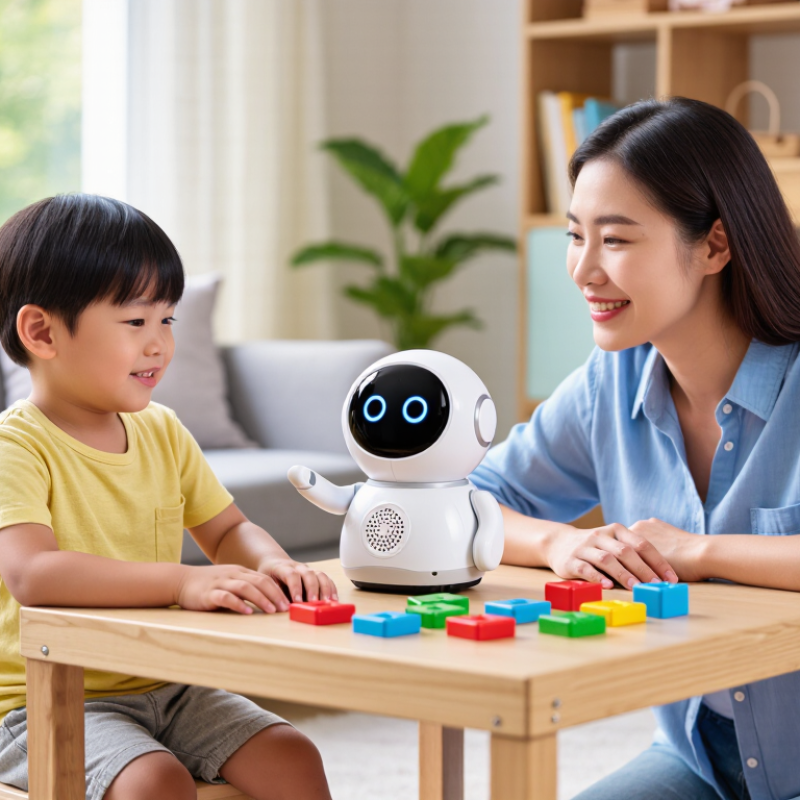
A small social robot can give a child a patient partner for brief language practice. It might ask, “What do you see?” while pointing toward a red block, then wait for an answer. That pause matters. Children get time to name objects, try new words, and hear simple sentence patterns without being rushed. The robot can repeat a story prompt or invite a child to describe a toy. Not magic, just practice.
Adults can use a robot to build useful routines: greetings at breakfast, naming actions during play, or retelling a picture book after school. A caregiver might model, “The dog is running,” then encourage the child to add one detail. If the child says only “dog,” respond naturally instead of correcting every sound. Warm feedback supports confidence. The device should complement conversation, not replace it; children also learn from faces, gestures, and real responses.
Choose activities that match the child’s age, interests, and communication needs. Keep sessions short, and watch for boredom or frustration. A robot’s speech may be repetitive or oddly timed. That can interrupt a good moment. Adults should notice whether the child is speaking more freely, not merely following prompts. For multilingual children, include the languages used at home, and consult a speech-language professional if concerns persist. Technology is only one tool.
Can Robots Help Kids With Language Development? 7 Tips
How Robots Can Support Children’s Language Development
How to read this chart: These selected language milestones offer context for robot-guided activities such as naming objects, taking turns, and practicing simple conversations. Robots can support practice, but should not replace responsive interaction with caregivers.
Milestones are from the CDC’s developmental milestone checklists. CDC milestones describe skills that most children (75% or more) can do by a given age; they are not a substitute for developmental screening.
Choose a Robot Suited to the Child’s Age and Language Needs
A child’s age is only a starting point when choosing a language-learning robot. Consider what the child can understand and say now. A preschooler may benefit from simple prompts, clear pronunciation, and repeated words for everyday objects. An older child might prefer open-ended questions, storytelling, or practice with longer sentences. The right level should feel inviting, not like a test.
Look closely at the child’s language needs. A child learning two languages may benefit from flexible language settings, while a child who struggles to follow spoken directions may need slower speech and visual cues. Check whether the robot allows pauses, repeats, or gentle corrections. Small steps matter. A robot is a practice partner, not a speech or language assessment. If concerns persist, ask a qualified speech-language professional for guidance.
Try a brief, shared activity before making the robot part of a daily routine. Notice whether the child takes turns, responds comfortably, and uses new words later during play. Watch what happens. If the robot talks too quickly, makes frequent corrections, or distracts the child, it may not be a good fit yet. That choice is not always obvious, and preferences can change as skills grow. Keep an adult nearby, especially with younger children, to model natural conversation and make room for the child’s own words.
Use Robot Conversations to Build Vocabulary and Sentence Skills
Robot conversations can give children a relaxed way to practice new words and sentence patterns. A child might ask a small robot to describe a picture, name a toy, or explain what happened in a story. These exchanges work best when the robot’s replies are clear, brief, and matched to the child’s level. Keep an adult nearby. Children still learn a great deal from real people, facial expressions, and shared play.
Tips: Choose one theme, such as animals or snack time, and repeat useful words in different questions. Pause after each prompt so your child has time to answer. If they say, “Dog run,” respond naturally: “Yes, the dog is running.” This gives a model without turning the moment into a test. Short turns help.
Try asking the robot to describe a familiar object, then invite your child to add one detail: “The cup is blue.” Follow their interest, even if the conversation wanders. Some prompts may feel awkward; adjust them rather than pushing through. Notice whether your child starts using a new word later during play or meals. Robot practice can support language, but it cannot assess a child’s development. If you have concerns, discuss them with a qualified speech-language professional.
Encourage Turn-Taking, Storytelling, and Everyday Language Practice
A small robot can make turn-taking visible during play. Ask it to greet your child, then pause and let your child answer. Wait a few seconds; children may need time to find words. If your child points or gives a one-word reply, respond naturally and add a little more: “The red car is fast.” Keep the exchange relaxed, not like a test. Sometimes the pause feels awkward. That is okay. Follow your child’s interest, and stop if the activity becomes frustrating.
Use the robot as a storytelling prompt, not the storyteller every time. It might ask, “What could happen next?” Your child can describe a picture, invent a character, or retell a familiar event, such as feeding a pet. Offer gentle prompts: “Who was there?” or “What happened after?” During everyday routines, invite short conversations while washing fruit or putting on shoes. Name what you see, then leave room for a reply. Avoid correcting every sound or demanding repetition; model the word clearly instead. A robot cannot replace responsive human conversation, and children develop at different rates. If language concerns persist, discuss them with a qualified speech-language professional.
Balance Robot Activities With Human Interaction and Progress Checks
Can Robots Help Kids With Language Development 7 Tips?
A talking robot can invite a child to name a toy, repeat a word, or describe a picture. But attention is not the same as language learning. Common Sense Media’s 2020 census found that U.S. children ages eight and under averaged 2 hours and 24 minutes of screen media daily. That figure covers all screen use, not robot activities, but it makes balance worth considering. The American Academy of Pediatrics recommends limiting screen use to one hour daily for ages two to five, with an adult watching and engaging alongside the child.
Keep robot sessions brief, then continue the conversation face to face. If the robot asks, “What did the bear eat?”, pause and let the child answer in their own words. Add a follow-up: “How do you know?” A caregiver can model a fuller sentence without correcting every mistake. Some days, the child may prefer the robot’s predictable prompts; still, human attention matters. A device cannot reliably read every hesitation, glance, or change in mood.
Tips: Try a five-minute activity, then retell the story together using a toy or picture. Note one new word and whether the child uses it later. Repeat the activity after a few days, but change the question. If progress stalls, simplify the task and ask a speech-language professional for guidance. One check-in is only a clue, not a diagnosis.
FAQS
It can ask a simple question, point to a red block, and wait. The child gets time to find words. Practice, not magic.
Match prompts to what your child understands and enjoys. Preschoolers may name toys; older children may invent stories. The right level should feel inviting, not like a test.
Keep it brief, and watch your child’s mood. Stop if they seem bored or frustrated. A short exchange is enough.
Let it greet your child, then pause for a reply. Add a few seconds if needed. Sometimes the silence feels awkward. That is okay.
It can ask, “What happens next?” Your child might describe a picture or retell feeding a pet. Let your child lead.
Respond naturally and add a little detail. If your child says “dog,” you might say, “The dog is running.” Avoid correcting every sound.
Include the languages your family uses at home, when possible. Notice which prompts feel comfortable. The best choice may take some trial and reflection.
No. Stay nearby, model natural speech, and respond to your child’s gestures and words. A robot cannot offer the same human connection.
If language concerns persist, speak with a qualified speech-language professional. A robot is a practice partner, not an assessment tool.
Conclusion
Can robots help kids with language development? They can provide engaging, low-pressure opportunities for children to hear and practice words, phrases, and simple sentences. The best results come from choosing a robot that matches a child’s age, interests, and language needs. Through guided conversations, children can name objects, answer questions, describe ideas, and practice building sentences at a comfortable pace.
Robot activities can also encourage turn-taking, storytelling, and language practice in everyday situations. For example, a child might take turns adding details to a story or describe familiar routines using new vocabulary. Robots should complement, not replace, conversations with caregivers, teachers, and peers. Adults can join in, model language, and notice which activities help the child communicate more confidently. Regular progress checks make it easier to adjust the activities and keep them useful, enjoyable, and suited to the child’s development.
 Buddy robotics
