Buddy robotics
Choosing the right battery can significantly impact your robot toy's performance. Parents and enthusiasts often ask, "What battery lasts longest for robot toys?" The answer is not straightforward. Different robot toys have varying power requirements. Selecting the right battery involves understanding both the toy and the available battery options.
Lithium-ion batteries tend to provide longer usage times compared to nickel-cadmium alternatives. However, the specifics of your robot toy play an important role. For instance, a lightweight robot may not need the heavy power of a larger battery. Plus, the efficiency of the robot's motor influences energy consumption. These factors make it essential to do careful research.
Moreover, battery lifespan is not just about capacity. It also involves how many cycles the battery can endure. Innovative technologies are continuously evolving, presenting new choices. Reflecting on your usage patterns can help fine-tune your decision. Understanding these nuances can ensure your robot toy runs optimally for longer durations.
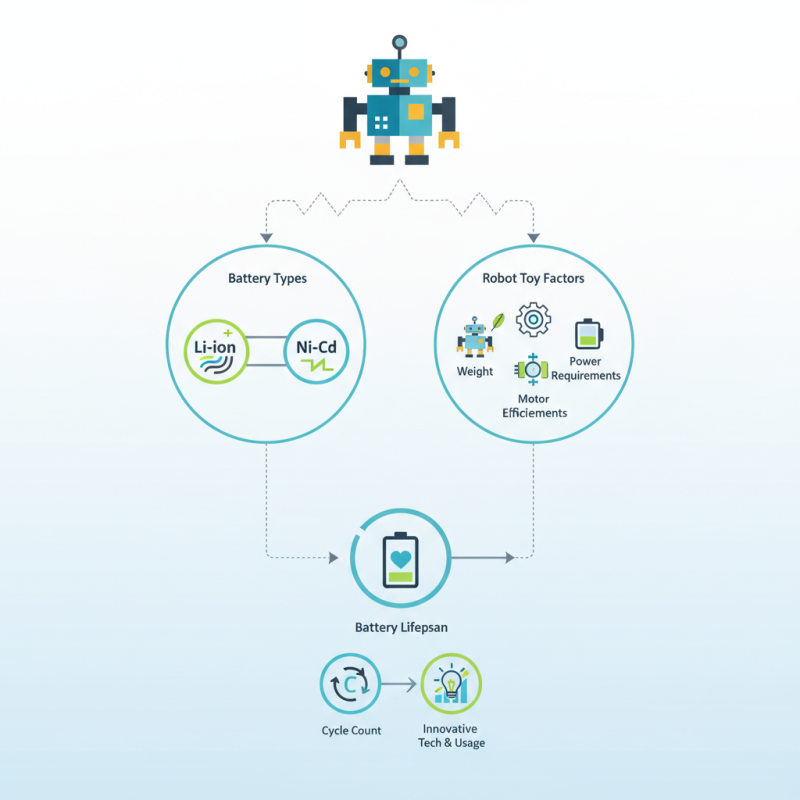
When selecting batteries for robot toys, several factors come into play. First, understand the power requirements of the toy. Look at the voltage and capacity needed. Battery life should align with how long the toy will be used. It's essential to consider the type of play. If a child frequently operates the toy, investing in a battery with a longer lifespan makes sense.
Another critical aspect is the battery chemistry. Alkaline batteries are common but may not last long under heavy use. Rechargeable batteries, like NiMH or Li-ion, often offer better performance for repeated use. However, they require proper charging practices to maximize longevity. Some parents opt for premium batteries to avoid frequent replacements, while others look for cost-effective solutions.
It's easy to overlook the environmental impact of disposal. Some batteries can harm the environment if not discarded properly. Children rely on their toys, and ensuring they run effectively is important. Researching proper disposal methods is essential for responsible use. Evaluating these factors can lead to informed decisions on the right battery, enhancing the longevity and enjoyment of robot toys.
Choosing the best battery type for robot toys can greatly enhance performance. Common battery types include alkaline, nickel-metal hydride (NiMH), and lithium-ion. Each has unique strengths and weaknesses.
Alkaline batteries are cost-effective and often found in common household items. They provide decent power but drain quickly, especially in high-drain devices like robot toys. Research shows that alkaline batteries typically last 20-30% less time under heavy use than NiMH batteries, which offer better capacity and are rechargeable. An industry report from the Battery University states that NiMH batteries can deliver about 1,000 charge cycles, making them a more sustainable choice.
Lithium-ion batteries stand out for their superior energy density. They can store more energy in a smaller size. This makes them ideal for advanced robot toys with extensive functionalities. However, they come at a higher price point and require careful handling to avoid safety issues. Reports indicate that proper care for lithium-ion batteries can extend their life by up to 50%. User reviews suggest that while they offer longevity, the complexity and maintenance concerns often lead to frustration, indicating a need for better consumer education on their usage.
Battery capacity is a crucial factor when choosing a battery for robot toys. Capacity is measured in milliampere-hours (mAh). A higher mAh indicates longer playtime. For instance, a 1000mAh battery may last several hours, while a smaller 500mAh might drain within an hour. Understanding this can help you make informed decisions.
When selecting a battery, consider usage. If the toy has additional features like lights or sounds, it might consume more power. This can significantly reduce playtime. It's essential to balance performance with battery life, as some toys work well with lower capacities due to less demand.
**Tips**:
- Always check the recommended battery specifications.
- Think about how frequently the robot will be used.
- Consider rechargeable options. They can save money and reduce waste.
Not all batteries perform equally. Some may offer high capacity but have stability issues. It’s important to research and find reliable options. User reviews can provide insights into performance. Some may find a high-capacity battery does not always translate into better performance. Experimentation and careful consideration are key to finding the ideal battery.
Choosing the right battery for robot toys involves assessing both battery life and rechargeability options. Research shows that lithium-ion batteries are popular for their long usage times. They can last up to 500 charge cycles, whereas nickel-metal hydride (NiMH) options may only support around 300 cycles. This makes lithium-ion batteries a more efficient choice for avid users.
Rechargeability is crucial. Some batteries offer features like fast charging, which can be appealing for kids eager to get back to play. However, fast charging may also shorten battery lifespan. A balance is needed between quick power-ups and long-term durability. Industry data suggests a trade-off here; rechargeable batteries degrade faster with frequent fast charging.
Another aspect to consider is environmental impact. NiMH batteries, while less efficient, are easier to recycle than lithium-ion counterparts. This raises questions about sustainability. Making a responsible choice should include understanding disposal options. Ultimately, selecting a battery for robot toys is complex and requires thoughtful consideration of different factors.
| Battery Type | Average Life (hours) | Rechargeable | Charge Time (hours) | Cycle Life (charges) | Cost (USD) |
|---|---|---|---|---|---|
| Alkaline | 10-20 | No | N/A | N/A | $1.00 |
| NiMH | 5-10 | Yes | 2-4 | 500-1000 | $2.50 |
| Li-ion | 15-30 | Yes | 1-3 | 500-2000 | $7.00 |
| Li-Po | 20-40 | Yes | 1-2 | 300-500 | $10.00 |
| Nickel-Cadmium (NiCd) | 4-8 | Yes | 3-5 | 1000 | $3.00 |
Maintaining the health of batteries in robot toys is crucial for longevity and performance. Research shows that nearly 40% of battery failures in toys stem from poor maintenance. Regular care can extend a battery’s life significantly, ensuring hours of playtime and engagement.
To enhance battery life, always keep the terminals clean. Dirt can reduce conductivity and lead to malfunction. Store the robot toy in a cool, dry place. Extreme temperatures impact battery integrity. Avoid leaving batteries discharged for long periods; this can cause irreversible damage.
Charging habits also play a key role. Overcharging can shorten battery lifespan. Consider using smart chargers that can prevent overcharging issues. Periodically check battery levels, and replace batteries that show signs of swelling or leakage. These practices not only preserve battery health but also enhance safety.
Regularly maintaining batteries helps avoid frustrating malfunctions while enjoying robotic play.
: Consider power requirements, battery chemistry, and capacity. Battery life should match usage frequency.
Battery capacity, measured in mAh, directly impacts duration. Higher mAh usually means longer playtime.
Rechargeable batteries like NiMH or Li-ion offer better performance. Alkaline batteries may not last under heavy use.
Improper disposal can harm the environment. Researching proper methods ensures responsible use.
Features like lights or sounds increase power consumption, which may shorten playtime.
Yes, they save money and reduce waste. However, proper charging is needed to ensure longevity.
Lithium-ion batteries last longer but are harder to recycle than NiMH. Consider both performance and sustainability.
Fast charging can shorten battery lifespan, making balance between quick use and durability essential.
Research user reviews and experiment with different options to find reliable choices.
Not necessarily. Some toys may perform well with lower capacities due to lower power demands.
When selecting the best battery for robot toys, several factors should be taken into account to ensure durability and optimal performance. Key considerations include the type of batteries available, such as alkaline, lithium-ion, and rechargeable options, each with distinct advantages and limitations. Understanding battery capacity is crucial, as it directly affects playtime; higher capacity generally leads to longer operating periods.
Additionally, evaluating battery life and options for rechargeability can significantly impact how often the batteries need to be replaced or charged. By implementing proper maintenance tips, such as regular charging cycles and safe storage practices, the overall health of the batteries can be preserved. Ultimately, the question of "What battery lasts longest for robot toys?" can often be answered by balancing these factors and choosing the right type for your specific robotic toy to maximize entertainment time.
