Buddy robotics Buddy robotics

How to Clean and Store Robot Components Effectively?

Time:2026-06-01 Author:Henry
0%

Keeping your robot components clean is crucial for their longevity and performance. Many enthusiasts ask, "How to clean and store robot components?" This question stems from a desire to maintain the reliability of expensive robotic parts. Proper cleaning methods can prevent dust buildup and corrosion. Additionally, how you store these components can greatly impact their lifespan.

Robotic parts often come into contact with various substances. Oils, dust, and even moisture can accumulate over time. Neglecting to address these issues can lead to malfunction and costly repairs. Understanding best practices for cleaning is essential for long-term use. Each component may require different techniques.

Storage solutions are equally important. Using anti-static containers or desiccants can help protect delicate parts. Having an organized system ensures easy access and prevents damage. Striking the right balance in cleaning and storing can be challenging but worthwhile. Emphasizing a thoughtful approach will extend the life of your robotics.
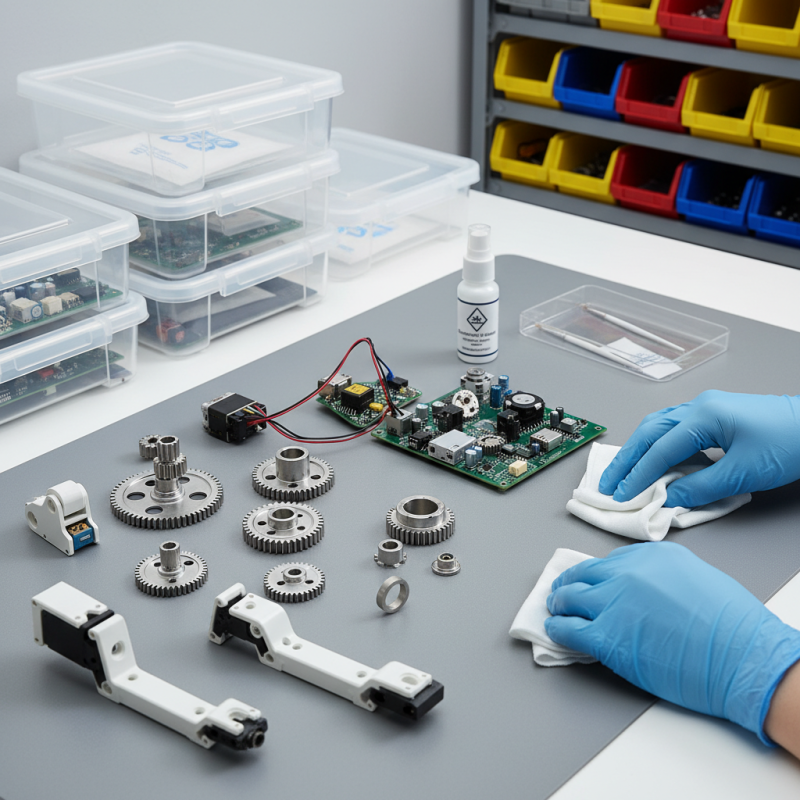
How to Clean and Store Robot Components Effectively?

Understanding the Types of Robot Components That Need Cleaning

Robots consist of various components, each requiring specific cleaning protocols. Sensors, for instance, are crucial for operational efficiency. A dusty sensor can lead to miscalculations. According to a recent industry report, neglecting sensor maintenance can reduce a robot's performance by up to 30%. Regular cleaning can prevent this decline.

Actuators are another significant part that needs careful attention. They convert electrical signals into physical motion. Over time, lubricants can accumulate dust and debris, hindering performance. It’s essential to use appropriate cleaning materials to avoid damage. Many operators overlook the cleaning of gears and motors, thinking it is unnecessary. This misconception can lead to premature wear, lowering productivity and efficiency.

Electronics and circuit boards also present a cleaning challenge. They can accumulate residues that interfere with their function. As per data from robotics maintenance studies, over 40% of electronic failures stem from inadequate cleaning practices. Using non-corrosive cleaners and anti-static brushes is vital for preserving these sensitive components. Proper storage and cleaning practices must be routinely reassessed to maintain the robot's longevity.

Essential Cleaning Supplies for Robot Maintenance

When it comes to maintaining robot components, the right cleaning supplies are essential. Start with microfiber cloths. They effectively capture dust and dirt without scratching surfaces. A soft-bristled brush can help remove debris from hard-to-reach places. Consider using cotton swabs for intricate parts. A vacuum with a brush attachment can also be useful for large-scale cleaning tasks.

For liquid cleaning agents, opt for isopropyl alcohol. It evaporates quickly and leaves no residue. However, avoid soaking components in any liquid. This could lead to damaging electrical circuits. Use a spray bottle to lightly mist surfaces. Keep a container of distilled water handy for rinsing parts. This minimizes mineral deposits that tap water often leaves behind.

It's important to regularly assess your cleaning tools. Over time, brushes can fray and cloths can become less effective. Replacing these items ensures optimal cleaning. Don’t hesitate to evaluate your technique. A clean robot operates more efficiently, but over-cleaning can lead to wear. Finding the right balance takes practice.

How to Clean and Store Robot Components Effectively? - Essential Cleaning Supplies for Robot Maintenance

Component Cleaning Method Recommended Supplies Storage Tips
Sensors Wipe gently with a microfiber cloth Microfiber cloth, Isopropyl alcohol Store in a dry and dust-free environment
Motors Use a brush to remove debris Soft bristle brush, Compressed air Seal in an airtight container
Chassis Wash with mild soap and water Mild detergent, Soft sponge Store away from sunlight, keep dry
Batteries Wipe terminals with a dry cloth Dry cloth Store in a cool, dry place
Cables Check for tangles and clean connectors Cable ties, Cotton swabs Coil and secure with ties

Step-by-Step Guide to Safely Cleaning Robot Parts

Keeping robot components clean is essential for optimal performance. Regular maintenance can extend the lifespan of your devices. According to a study by the International Journal of Robotics, nearly 30% of robot failures are linked to improper cleaning practices.

Start by ensuring all robots are powered off. Use a soft cloth and a gentle cleaning solution. Avoid harsh chemicals, as they can damage sensitive sensors. It's important to focus on wheels and joints, where dirt accumulation occurs.

**Tip:** Use a damp cloth for plastic parts. Microfiber cloths work best on metal surfaces.

Ensure that connections are secure after cleaning. Residue can cause connectivity issues. After cleaning, let components dry fully before reassembling. The Robotics Industry Association recommends using compressed air to remove dust from hard-to-reach areas.

**Tip:** Always check manuals for specific component care. Regular checks can prevent larger issues down the line.

Effectiveness of Different Cleaning Methods for Robot Components

Best Practices for Storing Robot Components After Cleaning

Proper storage of robot components after cleaning is essential to maintain their longevity and functionality. After cleaning, ensure each component is completely dry. Moisture can lead to corrosion and malfunction over time. Use a soft cloth to wipe down metal parts. Clear visibility is important for identification; label each item or use clear containers.

When storing, organize components by type or size. Avoid overcrowding storage areas, as this can cause scratches or damage. Ideally, use anti-static bags for electronic components. They provide protection against static damage. For mechanical parts, consider foam inserts in boxes for cushioning. Make sure the storage location is temperature-controlled to avoid warping or degradation of materials.

Regularly review your storage system. Components may wear or degrade over time, even if not in use. Be proactive about replacing damaged parts. This can save time in the long run. Observation and adjustment of your storage practices are key. A well-maintained system reflects care for your robotic equipment.

Tips for Preventing Future Dirt Build-Up on Robot Parts

Keeping robot components clean is essential for optimal performance. Dust and debris can significantly affect functionality. According to a recent industry report by the Robotics Industry Association, over 30% of maintenance issues arise from improper cleaning practices. Here are some tips to reduce dirt build-up effectively.

Regular inspections are critical. Examine joints and sensors frequently. A soft brush can remove surface dust. Consider using microfiber cloths to wipe down exposed areas. Remember to use compressed air cautiously. It can dislodge dirt but may also push debris deeper into components.

For long-term prevention, implement a structured cleaning schedule. Develop a checklist tailored to your robots' specific needs. Include suggested intervals for cleaning parts that attract more grime. Products like non-corrosive cleaners can effectively remove residues. However, always consult the manufacturer's guidelines to ensure compatibility. Adopting these habits can maintain cleanliness and boost your robot’s lifespan.

FAQS

: Why is cleaning sensors important for robots?

: Clean sensors ensure operational efficiency. Dust can cause miscalculations and lower performance by up to 30%.

What happens if actuators are not cleaned regularly?

Accumulated lubricants and debris hinder motion. This oversight can lead to premature wear and lower productivity.

How do inadequate cleaning practices affect electronics?

Over 40% of electronic failures occur due to poor cleaning. Residues can significantly interfere with their functioning.

What cleaning supplies are best for robot maintenance?

Microfiber cloths and soft-bristled brushes are effective. Cotton swabs will help with intricate parts.

How should one use liquid cleaning agents safely?

Use isopropyl alcohol for cleaning, but avoid soaking components. A spray bottle is ideal for misting surfaces.

What is the importance of evaluating cleaning tools regularly?

Brushes can fray, and cloths may lose effectiveness. Regular assessments ensure optimal cleaning results.

Can over-cleaning damage robot components?

Yes, excessive cleaning can lead to wear. Finding the right balance is essential for maintaining longevity.

How often should robot maintenance cleaning be conducted?

Regular cleaning should be routine, but the frequency depends on usage and environmental conditions.

What mistakes do operators make regarding gear and motor cleaning?

Many overlook gear and motor cleaning, thinking it’s unnecessary. This can cause serious performance issues down the line.

Conclusion

In the article titled "How to Clean and Store Robot Components Effectively?", a comprehensive approach to maintaining robot components is presented. It begins by emphasizing the importance of understanding the different types of components that require cleaning, such as sensors, motors, and circuits. Essential cleaning supplies are then highlighted, ensuring that robot maintenance is both effective and safe.

The article provides a step-by-step guide to safely clean robot parts, offering practical tips to avoid damage during the process. After cleaning, best practices for storing components are discussed, ensuring that they remain in good condition and are easily accessible for future use. Lastly, the article includes preventive measures to minimize dirt accumulation on robot parts, ultimately answering the key question: "How to clean and store robot components?" with actionable insights for robot enthusiasts and professionals alike.

Henry

Henry

Henry is a dedicated marketing professional with a profound expertise in the company's offerings. With years of experience in the industry, he possesses an impressive understanding of the market dynamics and consumer behaviors that drive success. Henry is committed to sharing his insights through......