Buddy robotics Buddy robotics

How to Determine the Right Age to Start Robotics for Kids?

Time:2026-07-23 Author:Charlotte
0%

The rise of robotics in education has sparked questions among parents: What age is appropriate to start robotics? Industry reports indicate that introducing robotics to children as young as five fosters creativity and critical thinking. According to the International Society for Technology in Education, early exposure can enhance problem-solving abilities, essential in today's tech-driven world.

However, the right age may vary based on a child's cognitive and emotional development. Some children may not engage with complex concepts until they are older. A study by the Organization for Economic Cooperation and Development suggests that hands-on activities are more beneficial for children aged six and up. Yet, nurturing curiosity in younger children is equally vital.

Determining the right age is a nuanced decision. It involves assessing each child’s unique interests and skills. Parents should remember that the goal is to inspire a love for learning, not just to follow trends. As the field evolves, reflecting on these factors will help identify the most suitable starting point for their child's robotics journey.
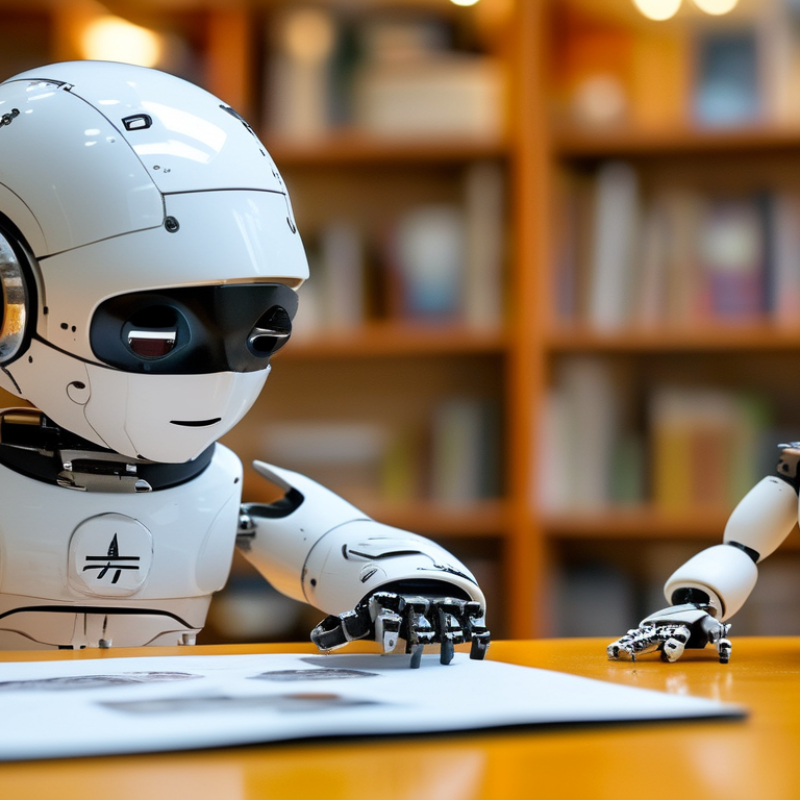
How to Determine the Right Age to Start Robotics for Kids?

Understanding the Importance of Early Robotics Education for Kids

Early robotics education for children is essential for several reasons. Engaging kids with robotics teaches problem-solving skills. Through hands-on projects, they learn to troubleshoot and think critically. This experience lays a foundation for future learning and innovation.

Children also develop teamwork skills while collaborating on robotic projects. Working together, they communicate and share ideas. These interactions help them understand diverse perspectives. Such skills are vital in today’s interconnected world. However, not every child takes to robotics naturally. Some may struggle with complex concepts or lose interest quickly. This can be a challenge, yet it offers opportunities for teaching resilience.

Introducing robotics at a young age cultivates creativity. Kids express their imagination by building and programming robots. They transform their ideas into reality, fostering a sense of accomplishment. While some might fear failure, it’s important to embrace setbacks as part of the learning curve. Parents and educators can guide them, reinforcing the idea that learning is a journey.

Key Developmental Milestones for Introducing Robotics to Children

Introducing robotics to children can be a transformative experience. It's important to align the learning with their developmental milestones. Children around the age of 5 begin to grasp basic problem-solving skills. Simple robotics kits designed for this age can introduce concepts like cause and effect. Engaging them in hands-on activities helps them to learn through play.

As kids reach 7 to 9 years, they develop critical thinking abilities. This age group shows increased curiosity and can handle more complex tasks. This is an ideal time to introduce coding. Building projects with programmable robots encourages creativity. Kids can experiment and learn from mistakes. Failure becomes a teacher, fostering resilience.

By age 10, children can engage in teamwork. They can tackle group projects and solve challenges collaboratively. At this stage, fostering communication skills becomes crucial. Robotics can help develop these skills. However, it’s vital for parents to ensure that the experience remains fun. The motivation should come from exploration rather than pressure. Balancing guidance and independence nurtures their interest in robotics.

Developmental Milestones for Introducing Robotics to Children

Recommended Age Ranges for Robotics Programs Based on Educational Research

Choosing the right age for kids to start robotics can be complex. Research suggests age-appropriate programs can enhance learning. For younger children, around ages 5 to 7, activities should focus on basic concepts. Simple building blocks and hands-on play stimulate their creativity. Enthusiasm grows when children see their creations come to life.

As children reach ages 8 to 10, they can handle more structured tasks. At this stage, they can grasp coding fundamentals and problem-solving. They enjoy building more advanced models. However, some might feel overwhelmed by intricate designs. It's crucial to balance challenge with encouragement. Kids should feel success, but also learn from failure.

For ages 11 and up, robotics can become more intense. Teens can engage in competitions and complex programming. They develop critical thinking and teamwork skills. Yet, it’s essential to ensure they do not feel isolated. Collaboration can sometimes wane in competitive settings. Finding a supportive environment is vital for growth. Such reflections help guide kids toward a healthy learning experience in robotics.

Impact of Robotics on Critical Thinking and Problem-Solving Skills in Kids

Robotics education significantly enhances critical thinking and problem-solving skills in children. According to a report by the International Society for Technology in Education, students engaged in robotics projects demonstrate improved cognitive abilities. They learn to approach challenges creatively. This hands-on learning process encourages experimentation and iterative thinking.

Kids involved in robotics often face failures. This can be frustrating. However, these experiences are vital. They teach resilience and adaptability. A study from MIT highlights that problem-solving through robotics fosters a growth mindset in students. As they build and program robots, children learn to think logically and systematically. They analyze situations and devise multiple solutions.

Tips: Start with simple robotics kits for younger children. Gradually introduce more complex projects as they grow. It's essential to encourage collaboration in group settings, fostering teamwork and communication skills. Watching children navigate through challenges can be rewarding. They will need guidance but also the freedom to explore. This balance is key to developing their critical skills.

Analyzing Global Trends in STEM Education and Robotics for Children

In recent years, there has been a substantial rise in interest in STEM education globally. More parents recognize the importance of teaching robotics to their children. This trend reflects a shift in how we view education. Schools are increasingly integrating robotics into their curriculums. Children are learning not only programming but also problem-solving and teamwork through hands-on projects.


However, the right age to start robotics varies. Some children show interest much earlier, while others may take time to engage. This inconsistency poses a challenge for parents and educators. It’s essential to assess each child’s readiness based on their interests and cognitive abilities. Balancing structured learning with playful experimentation is key.


Additionally, while these trends are promising, they are not without flaws. Not every child has access to the same resources. Socioeconomic barriers can hinder some kids from experiencing robotics education. Reflecting on this disparity is crucial for creating equitable opportunities in STEM fields. The goal is to foster a love for learning in all children, regardless of background.

FAQS

:

t what age can children start learning about robotics?

What skills do kids develop when introduced to robotics?

Kids develop problem-solving, critical thinking, and creativity while engaging with robotics.

How does failure impact children's learning in robotics?

Failure can be frustrating, but it teaches resilience and adaptability, which are essential for growth.

Why is teamwork important in robotics for children?

Teamwork fosters communication skills and helps children tackle challenges collaboratively.

What type of robotics kits are suitable for younger kids?

Simple robotics kits that introduce cause and effect are best for younger children.

How can robotics education enhance critical thinking?

Engaging in robotics projects encourages children to approach challenges creatively and systematically.

What is the role of parents in children's robotics education?

Parents should ensure the learning experience is enjoyable, balancing guidance with the freedom to explore.

When should coding be introduced to children?

Coding can be introduced between ages 7 to 9, as kids develop critical thinking abilities.

What is a growth mindset in the context of robotics education?

A growth mindset is fostered by learning to solve problems and adapting through the robotics process.

How can parents motivate their children in robotics activities?

Motivation should come from exploration and interest, not pressure to succeed in projects.

Conclusion

The question "What age is appropriate to start robotics?" is essential for parents and educators considering early robotics education for children. Understanding the importance of introducing robotics at a young age can foster critical thinking and problem-solving skills that are vital in today’s technology-driven world. Research suggests that children as young as five can begin engaging with basic robotics concepts, as they reach key developmental milestones that support learning.

Robotics programs are structured with recommended age ranges that align with educational research, promoting cognitive growth and creativity. Additionally, analyzing global trends in STEM education indicates a growing emphasis on integrating robotics into curricula, highlighting its role in preparing children for future challenges. By understanding the appropriate age to start robotics, parents can effectively support their children's development in critical thinking and innovation.

Charlotte

Charlotte

Charlotte is a seasoned marketing professional with a deep understanding of the company's portfolio and a passion for elevating its presence in the market. With a keen eye for detail and a commitment to excellence, she ensures that our professional blog is regularly updated with insightful articles......