Smart toys have gained significant popularity among children and parents alike. These interactive devices often connect to the internet, enhancing playtime with educational features. According to a report from the Toy Industry Association, the smart toy market is expected to reach $20 billion by 2025. However, this innovation raises important questions about safety. What is a "smart" toy and is it safe?
Expert Dr. Emily Turner, a leading research scientist in child technology, states, “The integration of AI in toys introduces new safety concerns that parents must consider.” This emphasizes the critical need for caregivers to understand potential risks associated with smart toys. Concerns include data privacy, cybersecurity threats, and the age-appropriateness of content.
As smart toys become more common, parents face the challenge of selecting safe options. Many toys collect data or connect to Wi-Fi, increasing vulnerability to cyber threats. It's essential to research each product thoroughly. Parents should prioritize toys that have clear safety standards and privacy policies. Knowing what a smart toy is and whether it is safe for your child is not just important; it’s necessary in today’s technological landscape.
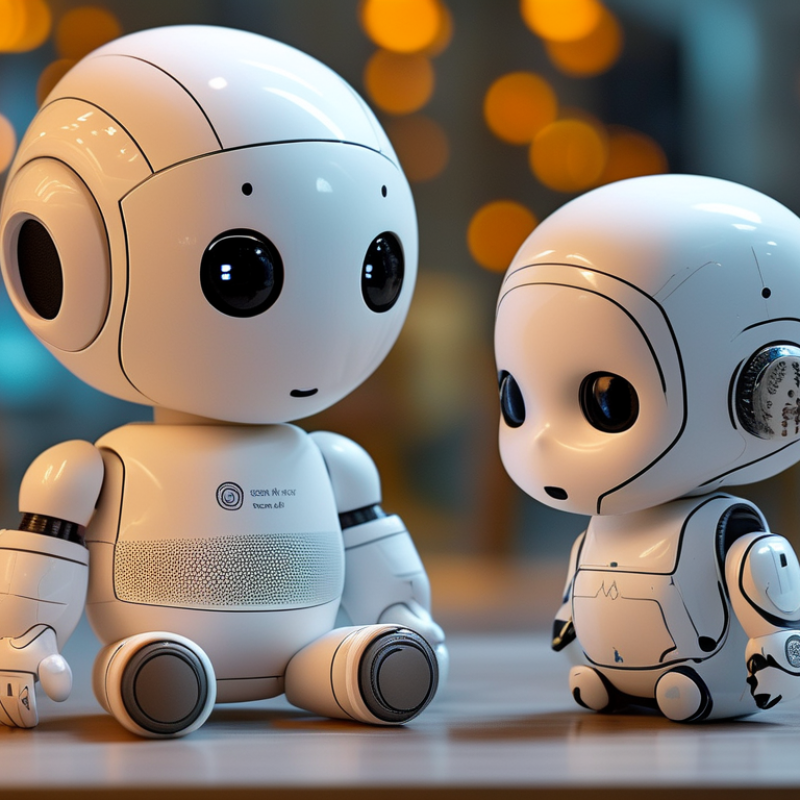
Understanding Smart Toys: What Makes Them Safe for Children
Smart toys are becoming increasingly popular among children, but safety is a primary concern for parents. According to a 2022 report from the Consumer Product Safety Commission, nearly 1 in 10 children aged 0-12 years are injured by toys annually. When evaluating smart toys, it’s essential to understand their safety features and data privacy implications.
One key aspect of smart toy safety is data protection. The Federal Trade Commission emphasizes that toys connected to the internet should prioritize user privacy. Toys that collect personal data should notify users clearly. A reliable smart toy should comply with the Children’s Online Privacy Protection Act (COPPA). This law restricts the type of data collected from children under 13. Some manufacturers follow these regulations, but not all.
Moreover, the materials used in toy manufacturing matter greatly. A 2021 survey by the Toy Industry Association indicated that 85% of parents prefer non-toxic and durable materials. Many smart toys use plastics that are free from harmful chemicals. However, parents should always review safety certifications before purchase. Not all toys marketed as “safe” pass rigorous testing. This ongoing challenge makes it critical for parents to seek toys with transparent safety records.
Key Safety Features to Look for in Smart Toys
When choosing a smart toy for your child, focus on key safety features. One primary aspect is data privacy. According to a 2022 report, 40% of smart toys collect personal data. Understanding what data is collected is crucial. Look for toys that allow parents to control privacy settings. Seek products that have clear privacy policies and comply with regulations.
Another important feature is age-appropriateness. Toys should meet safety standards for specific age groups. A study from the Toy Association found that 75% of recalled toys were not age-appropriate. Ensure the toy's design prevents choking hazards and other risks. Labels and packaging often indicate these critical details.
Lastly, consider the toy's connection features. Many smart toys connect to the internet. A 2023 survey revealed that 58% of parents worry about cyber threats. Choose toys with robust security measures. Features like encrypted connections and password protection can help safeguard your child's data. Safety should always be the top priority when selecting smart toys.
Smart Toy Safety Features Comparison
Assessing the Age Appropriateness of Smart Toys
When selecting a smart toy, age appropriateness is crucial. Different technologies appeal to varying age groups. For young children, toys should promote basic skills. They need to encourage physical interaction. A toy that requires gentle touch or action is ideal for toddlers.
As children grow, the complexity of toys should increase. For preschoolers, interactive toys with responsive features can spark creativity. However, parents should be wary of overstimulation. Some toys may bombard children with information. Finding a balance is vital. A toy should challenge a child without overwhelming them.
It's essential to check developmental guidelines. Look for age recommendations on packaging. Even if a toy looks fun, it may not suit your child's needs. Open conversations about what your child enjoys can help too. Matching interests with appropriate technology is key. Smart toys should enhance learning, not hinder it.
Reflect on how a toy impacts your child’s playtime. Understanding this can help ensure safe and beneficial play experiences.
Evaluating Data Privacy and Security Measures in Smart Toys
When it comes to smart toys, data privacy and security are paramount. Recent studies indicate that over 70% of modern smart toys collect personal information from children. This data often includes names, locations, and even voice recordings. Parents may not realize how much information is being gathered.
It's essential to scrutinize the security measures of any smart toy. Many toys lack adequate encryption, making them susceptible to hacking. According to a 2021 report by the Cybersecurity & Infrastructure Security Agency, nearly 40% of smart toy manufacturers do not implement basic security protocols. This statistic is alarming for parents concerned about their child's safety.
Moreover, transparency in data handling is crucial. A 2022 survey revealed that only 30% of parents understood how their children's data was being used. Many toy companies do not clearly communicate their data policies. Without this information, parents are left in the dark. Reflecting on these findings, it is clear that as technology evolves, so does the need for vigilant assessment of smart toys. Parents must ask tough questions and seek more information.
How to Know if a Smart Toy is Safe for Your Child? - Evaluating Data Privacy and Security Measures in Smart Toys
| Feature |
Description |
Safety Rating |
Data Encryption |
Age Recommendations |
| Voice Interaction |
Allows children to communicate with the toy. |
A |
Yes |
3+ |
| Mobile App |
A companion app for enhanced interaction. |
B |
Yes |
5+ |
| Remote Access |
Can be controlled via a parent's smartphone. |
C |
No |
6+ |
| Data Collection |
Collects data on child's interactions. |
D |
Partial |
3+ |
| Privacy Controls |
Parents can set privacy settings for the toy. |
A |
Yes |
4+ |
Recognizing Potential Hazards and Risks Associated with Smart Toys
Smart toys can bring joy and learning to children, but it's crucial to identify potential hazards. Start by checking the materials used in the toy. Many toys contain plastics or chemicals that can be harmful. Look for BPA-free or non-toxic labels. If there are small parts, they can pose choking hazards for younger kids. Always consider the age recommendations provided.
Next, assess the connectivity features of smart toys. Many connect to Wi-Fi or Bluetooth, raising privacy concerns. Ensure the toy does not collect personal data. Also, be cautious about software updates and security features. A toy that's vulnerable to hacking can endanger your child's safety. Review online reviews and reports about the toy's security measures.
Lastly, reflect on your child’s interaction with smart toys. Supervision is essential, especially with toys that encourage independent online play. Monitor usage and set time limits. Encourage discussions about safety with your child, fostering an environment that values awareness. This helps them recognize potential dangers in the digital world.
FAQS
: Parents should ensure smart toys clearly notify users about data collection. Compliance with privacy laws is crucial.
Not all smart toys pass safety tests. Parents should check for safety certifications before making a purchase.
Check age recommendations on packaging. Ensure the toy matches your child's developmental stage and interests.
Materials used matter. Look for non-toxic options. Evaluate how well the toy is constructed and tested.
Watch for choking hazards, connectivity issues, and potential data privacy risks. Small parts can be dangerous for young kids.
Supervision is key. Set limits on playtime and discuss safety regularly. Encourage your child to be aware of online risks.
Conclusion
Smart toys are interactive devices that engage children through technology, often connecting to the internet or using apps. The question "What is a 'smart' toy and is it safe?" is crucial for parents considering these innovative products for their children. To ensure safety, parents should understand the key safety features inherent in smart toys, such as durable construction and non-toxic materials. Additionally, age appropriateness is vital, as toys should match developmental stages.
Moreover, assessing data privacy and security measures is essential, as smart toys often collect data during use. Parents need to scrutinize how the data is stored and shared. Recognizing potential hazards, including choking risks or technological malfunctions, is also important in making informed decisions. By thoroughly examining these aspects, caregivers can better judge the safety and suitability of smart toys for their child's playtime experience.
 Buddy robotics
