Buddy robotics Buddy robotics

Top 10 Ways Robots Will Change Schools in 2026?

Time:2026-11-21 Author:Liam
0%

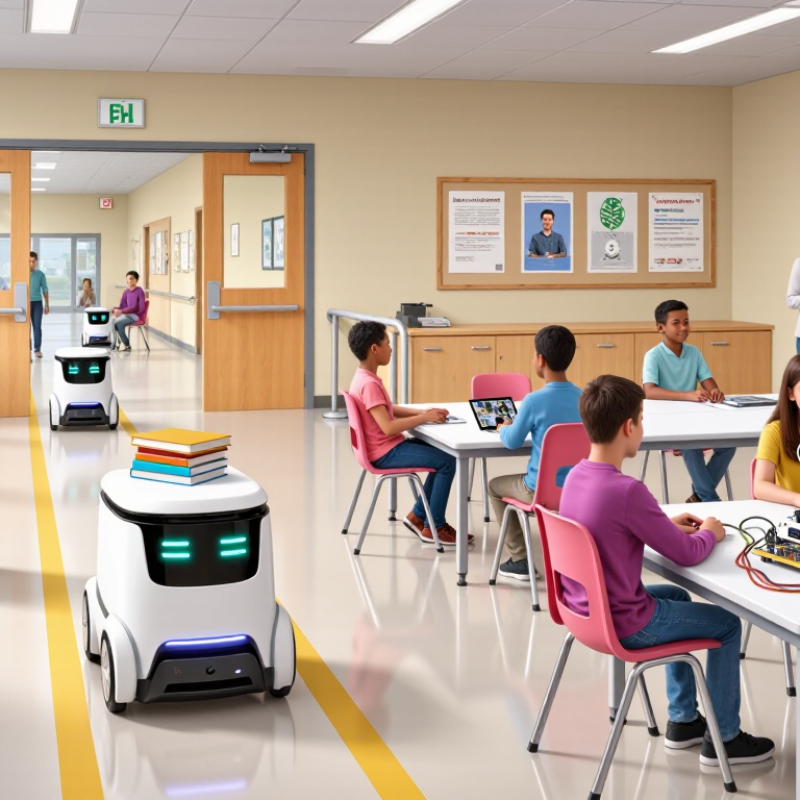
Robots are beginning to appear in classrooms, libraries, and school hallways, but their role is still developing. How will robots change schools in 2026? The most realistic answer is not a classroom full of machines. It is a mix of practical tools: a small mobile robot carrying books, a coding kit on a science table, or a telepresence device helping an absent student join a lesson. These examples show how technology may support daily learning without replacing teachers. Not magic.

The changes could touch tutoring, accessibility, school operations, and hands-on learning. A robot might help students practise a language conversation, guide visitors to the office, or let a learner with limited mobility take part in a classroom activity. Teachers may also use robots to introduce coding and problem-solving through visible, repeatable tasks. Still, outcomes will depend on cost, training, privacy protections, maintenance, and whether the tools serve clear educational goals. A device can look impressive and still distract from learning. That distinction deserves attention.

This guide explores ten ways robots may influence schools in 2026, separating useful possibilities from claims that need more evidence. It considers what students and educators could gain, where human judgment remains essential, and what schools should examine before adopting new systems. The future will not look identical in every classroom. That may be a good thing.
Top 10 Ways Robots Will Change Schools in 2026?

How Educational Robots Are Used in Schools in 2026

In 2026, educational robots are best used as hands-on learning tools, not substitute teachers. In primary classrooms, simple wheeled kits let pupils test sequencing by programming a robot to follow tape across the floor. Older students can build and adjust sensors, then compare how changes affect movement. A social robot may prompt language practice or help rehearse a presentation, while the teacher listens for misunderstandings. Small steps matter.

The market is growing, but classroom adoption is harder to measure. The International Federation of Robotics’ World Robotics 2024 report recorded about 205,000 professional service robots sold in 2023, a 30% rise from 2022. That figure covers many industries; it is not a count of school robots. Schools should judge each use by learning goals, teacher workload, accessibility, and maintenance—not novelty. A robot that sits unused after a short demonstration is a poor investment. Teachers also need time to test activities and decide when pupils should work without the device. That distinction matters. Robot interactions can collect voice or movement data, so schools should check what is stored and who can access it. One practical lesson remains: start with a clear task, observe what students actually learn, and revise when the robot distracts more than it helps.

Top 10 Ways Robots Can Support Schools in 2026

Examples include coding instruction, language practice, and classroom support. Bars count listed use cases—not school adoption rates or measured impact.

Educational robots can provide hands-on activities and interactive practice. Their effectiveness depends on the learning goals, classroom context, and teacher guidance.

How Robots Support Personalized Learning and Student Feedback

In 2026, classroom robots may act less like lecturers and more like patient practice partners. During a reading exercise, one could notice a student pausing at unfamiliar words and offer a shorter passage or a spoken hint. A math robot might spot repeated errors with fractions, then present a visual model before another problem. These adjustments can give learners practice at a workable pace, while teachers retain control of goals and instruction. That matters. Robots should support a teacher’s judgment, not quietly replace it.

Feedback can also become more specific. Rather than marking an answer simply wrong, a robot could show which step changed the result and invite the student to try again. A small screen might display progress across skills, helping a teacher notice that a child understands multiplication but struggles to explain the reasoning. Short spoken prompts can encourage younger students to reflect: “What did you try?” People still matter. Automated feedback may misunderstand an unusual but valid solution, or respond poorly when a student is tired or anxious.

Schools will need to check feedback for accuracy and make sure students can ask a person for help. Data collection should be limited to what supports learning, with clear rules for access and storage. Teachers also need time to review patterns instead of treating a dashboard as a verdict. A robot can offer another clue; the harder work is deciding what that clue means for each child.

How Robots Assist Teachers With Instruction and Classroom Tasks

In 2026, classroom robots may be most useful as steady assistants, not substitute teachers. A small mobile unit could deliver worksheets, collect exit tickets, or guide students through a timed reading station. During a science lesson, it might repeat instructions for a group while the teacher helps a student at the lab table. Useful, but not magic.

The International Federation of Robotics reported about 205,000 professional service robots sold worldwide in 2023. That figure covers many industries, not schools, so it signals wider technical capacity rather than proven classroom adoption. In practice, schools should test robots on narrow, repetitive tasks and measure whether teachers actually regain instructional time. A robot that needs constant troubleshooting can add work instead.

For instruction, robots could offer practice prompts, display diagrams, or help students rehearse a language dialogue at their own pace. Teachers would still need to check explanations and notice when a child is confused or disengaged. UNESCO’s 2023 Global Education Monitoring Report found that only 16% of countries explicitly guarantee data privacy in education by law. That deserves attention when classroom devices record voices or learning activity.

Start small. Keep a human in charge.

How Robotics Changes Accessibility, Inclusion, and Student Engagement

In 2026, classroom robots may help students take part in lessons when distance, mobility, or communication creates barriers. A student recovering at home could steer a tablet-equipped robot through class, turn its camera toward the board, and speak during group work. Small changes matter. The robot should move at a comfortable pace, offer clear audio, and let the student control when its camera is active. Otherwise, a helpful tool can feel intrusive. Teachers still need to check whether the connection works and whether classmates include the remote student in conversation.

Robots may also support inclusive activities by repeating instructions, displaying visual prompts, or giving students extra time to respond. A predictable routine can help some learners feel more prepared, while a programmable machine can make abstract ideas easier to explore. But students differ. Bright lights, mechanical sounds, or unexpected movement may distract or distress someone. Schools should invite students, families, and specialists to test devices before using them widely. A robot cannot replace patient teaching or genuine friendships. Its value depends on thoughtful setup, accessible controls, and a teacher who notices when a student prefers another way to participate.

How Schools Address the Costs, Safety, and Ethics of Educational Robots

Top 10 Ways Robots Will Change Schools in 2026?

How Schools Address the Costs, Safety, and Ethics of Educational Robots

Educational robots may support small-group practice, guided experiments, and accessibility tasks. But buying the machines is only one cost. Schools must also budget for repairs, software updates, staff training, and secure storage. A robot sitting unused in a cupboard helps no one. Before purchasing, teachers can test a small number in real lessons and track preparation time, student participation, and maintenance needs. The results may be less exciting than a sales pitch, but they are more useful.

Safety needs daily attention, not just a checklist at launch. Schools should set clear movement zones, supervise hands-on activities, and teach students how to stop a device. Keep charging cables away from walkways. Check that sensors work. That matters. Ethical planning is just as practical: explain what information a robot collects, limit access, and avoid recording students unless there is a clear educational reason. Consider whether every student can participate, including children with disabilities or limited access to devices at home. These questions can be awkward. They are still worth asking.

Tips: Start with one classroom goal, such as practicing a conversation or exploring simple coding. Assign a staff member to review safety and privacy settings. Ask students what feels helpful or uncomfortable, then adjust the plan. Don’t assume the first trial proves the robot belongs in every classroom.

FAQS

How can classroom robots personalize learning?

They can notice pauses, repeated mistakes, or reading speed. Then they may offer a shorter passage, spoken hint, or fraction diagram.

Can robots give useful feedback?

They can show which step changed an answer and invite another attempt. A small screen might track skills, but it can misread unusual solutions.

Do robots replace teachers?

No. Teachers set learning goals, check explanations, and notice when a student seems tired or confused. People still matter.

What classroom tasks might robots handle?

A mobile unit could deliver worksheets, collect exit tickets, or repeat science instructions while the teacher helps at a lab table.

How can schools tell whether a robot is worth using?

Test it in one classroom and track preparation time, participation, repairs, and teacher workload. A machine that needs constant fixes may add work.

What safety steps should schools take?

Set movement zones, supervise hands-on activities, and show students how to stop the device. Keep charging cables out of walkways. Check the sensors.

How should schools protect student information?

Explain what the robot collects, limit who can access it, and store only useful learning data. Avoid recording unless there is a clear reason.

How can schools make robot activities accessible?

Ask students what feels helpful or uncomfortable. Consider children with disabilities and those without devices at home. One trial proves little.

Conclusion

How will robots change schools in 2026? Educational robots are expected to become practical classroom partners, supporting lessons through interactive activities, demonstrations, and hands-on projects. They may help personalize learning by adjusting practice to students’ progress, offering timely feedback, and giving learners additional ways to explore challenging ideas. Used thoughtfully, these tools can help students stay engaged while building problem-solving, creativity, and digital skills.

Robots may also assist teachers with routine classroom tasks, freeing more time for discussion and individual support. Their adaptable interfaces and interactive features could offer new opportunities for students with different learning needs and encourage participation. However, schools will need to weigh potential benefits against costs, protect student information, maintain safe and age-appropriate use, and establish clear ethical guidelines. The most effective approach will keep teachers at the center of instruction, using robots as supportive tools rather than substitutes for human care and judgment.

Liam

Liam

Liam is a dedicated marketing professional with a profound expertise in the industry, where he excels at highlighting the unique advantages of our core products. With a keen understanding of market trends and consumer needs, Liam frequently updates our company’s professional blog, providing......