Buddy robotics Buddy robotics

How to Make Kids Treat Robots Like Real Pets?

Time:2026-11-14 Author:Sophia
0%

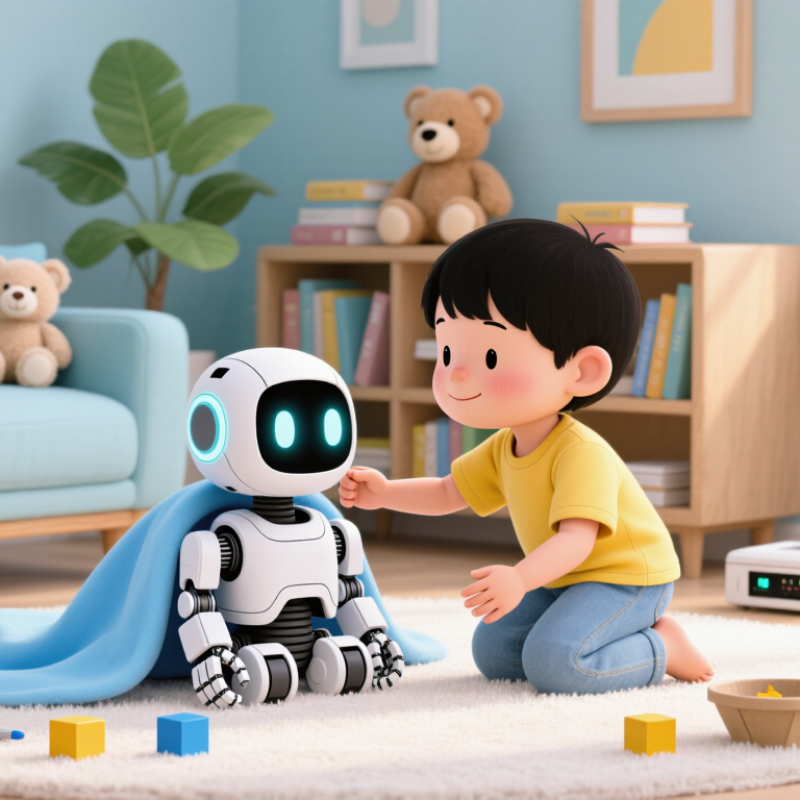
A child may tuck a small robot beneath a blanket, introduce it to a stuffed bear, and insist it needs a name. The scene can look like ordinary pet play, even when the “pet” has lights, buttons, or a charging cable. Why do kids treat robots like real pets? The answer often involves more than clever design. Children may respond to movement, familiar sounds, repeated routines, and the chance to care for something that seems to respond.

Parents and educators can encourage this imaginative play without telling children that a robot has real feelings. Invite a child to choose its name, create a pretend feeding schedule, or describe what the robot might be “thinking.” Then gently distinguish pretend stories from what the device can actually do. A robot can react to programmed cues; it does not need comfort or companionship in the same way a living animal does. That distinction matters.

Keep play simple and observant. Notice whether the child enjoys storytelling, problem-solving, or having a predictable companion nearby. Ask open questions, such as, “What do you think your robot likes?” and “How do you know?” Some children may lose interest quickly. That is normal. And worth noticing. Robot play can offer a useful opening for conversations about empathy, technology, and real animal care, but it is not a substitute for human connection or a living pet. There is no single recipe for making a child bond with a robot. A little uncertainty belongs in the picture.
How to Make Kids Treat Robots Like Real Pets?

Understanding What a Robot Pet Can and Cannot Do

How to Make Kids Treat Robots Like Real Pets?

A robot pet can join a child’s daily routine, but it helps to explain what its responses mean. If it wiggles when touched or makes a sound near its bowl, describe that as programmed behavior, not hunger or happiness. The distinction can feel small. It matters.

Give it a simple care routine. Your child might place it on a mat, brush its shell with a soft cloth, and check whether it needs charging. These actions build responsibility without pretending the robot has real needs. Let children choose a name or invent stories, too. Imagination and clear facts can coexist.

Be honest when the robot misses a cue, stops moving, or repeats the same sound. Sensors may struggle on thick rugs, in bright light, or when several people speak at once. A quick restart may help, but it will not solve every problem. Some days, the toy may seem less responsive than expected. That can frustrate a child, and adults may need to acknowledge the disappointment rather than promise the robot will improve. It cannot feel pain, fear, or affection, and it cannot replace the give-and-take of caring for a living animal.

How to Help Kids Understand Robot Pets

A robot pet can imitate some pet-like behaviors, but it is not a living animal. Use this typical comparison to talk with kids about what each one needs.

How to read it: 1 means the feature typically applies; 0 means it typically does not. Living pets need food and water, grow biologically, and need daily care. Robot pets generally need batteries or charging instead. Needs vary by animal and robot model; robot pets still need supervision and occasional maintenance.

Choosing a Robot Pet That Fits a Child’s Age and Interests

How to Make Kids Treat Robots Like Real Pets?

Choosing a Robot Pet That Fits a Child’s Age and Interests

A robot pet feels more engaging when its play matches a child’s age and interests. Younger children may enjoy simple responses, soft sounds, and easy buttons they can press without help. Older children might prefer teaching tricks, exploring different routines, or solving small care-related challenges. Check the recommended age and setup requirements before buying. A complicated app can quickly turn playtime into a parent’s job.

Consider what your child already loves. A child who enjoys storytelling may invent adventures for a pet that reacts to sounds or movement. One who likes building might prefer a robot with adjustable parts or interactive features. Think about noise, charging, storage, and how much adult help the toy needs. It is easy to focus on clever features and overlook daily upkeep. That can disappoint everyone. A simpler toy may invite more imaginative play.

Tips: Let your child try the controls, if possible. Notice whether the sounds feel fun or overwhelming. Choose a robot that encourages gentle handling and pretend care, while explaining that it is a toy, not a living animal. Keep expectations realistic.

Introducing the Robot Pet Through Calm, Shared Play

Introducing a robot pet works best as a quiet shared activity, not a surprise performance. Sit beside your child and place it on the rug. Let them choose a name, offer a gentle greeting, or simply watch its lights move. Keep it slow. Give the child time to notice what the robot can and cannot do. The International Federation of Robotics reported that sales of professional service robots reached about 205,000 units in 2023, a 30% rise from the previous year. That figure does not measure children’s relationships with toy robots. It does show how quickly robots are entering everyday life.

Keep the first play session short and hands-on. Invite your child to brush the robot, make a paper bed, or take turns giving it simple commands. Common Sense Media’s 2021 census found that U.S. tweens averaged 5 hours and 33 minutes of daily entertainment screen use; teens averaged 8 hours and 39 minutes. These figures are not a reason to reject technology, but they make screen-free, shared play worth protecting. No scripts needed. A robot may miss a cue, repeat a sound, or fail to respond as expected. Let your child decide what that means. Adults can be tempted to explain every feature; sometimes, waiting quietly is better. The child may lose interest, too. That is useful feedback, not a failed introduction.

Building Daily Care Routines and Responsible Habits

Treat a robot pet as part of a daily routine, not as a toy that appears only when someone remembers. A child might check its battery after breakfast, wipe dust from its feet with a soft cloth, and place it in a familiar “resting spot” before bed. Keep each task simple and visible. Small rituals matter. Let children take the lead, while an adult quietly checks charging and storage. The International Federation of Robotics reported nearly 20 million consumer service robots sold worldwide in 2023. That figure shows how common these devices are becoming, but it does not prove that owning one teaches responsibility.

Make care predictable, but leave room for real life. A small paper chart can show who fed the robot’s pretend routine, cleaned it, or noticed a loose accessory. Praise careful actions, not just perfect streaks. Some days, the robot may be forgotten. That is a chance to talk about making things right, rather than turning care into a scolding. Common Sense Media’s 2021 Census found that children aged eight and under spent an average of 2 hours and 24 minutes daily with screen media. That is a useful reason to keep robot routines brief and hands-on—not evidence that robot play itself improves habits. Ask children what the robot needs, then gently remind them that real pets need living care a machine cannot provide.

Encouraging Empathy While Explaining the Robot’s Limits

How to Make Kids Treat Robots Like Real Pets?

A robot pet can invite the same gentle habits as caring for an animal. Ask children to use calm voices, make room on the floor, and avoid pulling its ears or wheels. These small routines build patience and awareness. Still, explain what is happening: the robot follows sensors and programmed responses. It does not feel lonely, hurt, or loved. That matters.

Tips: Invite your child to notice what makes the robot respond, such as a touch or sound. Then ask, “What might a real pet feel?” Keep the comparison clear. A robot can help children practise careful behavior, but it cannot replace an animal’s needs.

Use simple, honest language when the robot stops moving. Say that its battery may need charging, rather than suggesting it is tired or sad. Children may still give it a name or tuck it beside a toy blanket. That imaginative play is fine, as long as adults keep the distinction visible. I sometimes find the line gets blurry, too; a warm response can feel surprisingly personal. Let children enjoy that feeling while reminding them that real pets need food, comfort, and attentive care.

FAQS

Can a robot pet feel happy, lonely, or hurt?

No. It responds to sensors and programmed cues. A wiggle or sound does not mean it feels affection. That distinction matters.

How can children care for a robot pet?

They can place it on a mat, brush its shell with a soft cloth, and check its battery. These small routines encourage responsibility.

How should families introduce a robot pet?

Sit beside your child and place it on the floor. Let them choose a name or watch its lights. Keep it slow.

What should I say when the robot stops moving?

Explain that it may need charging or may have missed a cue. Avoid calling it tired or sad. It may still disappoint a child.

Why might a robot pet miss a response?

Thick rugs, bright light, or several people talking can affect its sensors. A restart may help, but not every time.

Can a robot pet help children practise empathy?

It can encourage gentle voices and careful handling. Ask what a real animal might feel, then explain that the robot does not feel pain.

Is it okay for a child to pretend the robot is a real pet?

Yes. A paper bed or toy blanket can inspire imaginative play. Keep the difference clear; real animals need food and attentive care.

What if my child loses interest?

Treat that as useful feedback, not a failed introduction. Sometimes the robot simply does not hold their attention. That is okay.

Conclusion

Helping children treat a robot pet like a real pet begins with understanding what it can and cannot do. Explain that it may respond to touch, sounds, or simple commands, but it does not have feelings or needs in the same way a living animal does. Choosing a robot that suits a child’s age and interests can make play more engaging, while introducing it through calm, shared activities gives children time to explore its features and learn how to handle it gently.

Simple daily routines, such as setting aside time to play, tidy the robot away, or check its accessories, can encourage responsibility. Parents can also invite children to notice the robot’s responses and imagine how a pet might feel, while kindly clarifying the difference between pretend play and real emotions. Why do kids treat robots like real pets? Responsive behavior and familiar caregiving routines can make a robot feel like a companion, offering a chance to build empathy while learning about technology’s limits.

Sophia

Sophia

Sophia is a dedicated marketing professional with an exceptional depth of knowledge about her company's products and services. With a keen understanding of market trends and customer needs, she crafts insightful blog posts that not only inform but also engage readers, enriching the company’s online......