Buddy robotics
In today's rapidly evolving digital landscape, a question arises: "Why should kids learn robotics instead of just coding?" Dr. Anna L. Rivera, a leader in educational technology, emphasizes that robotics engages multiple skills. She states, “Robotics teaches critical thinking, problem-solving, and teamwork far beyond what coding offers.”
Robotics provides a hands-on approach. Children not only write code but also build tangible robots. They experience the thrill of creation and face challenges firsthand. This practical application fosters resilience and adaptability. Coding, while essential, often lacks the interactive element found in robotics. When kids see their robots fail and succeed, they learn valuable lessons about perseverance.
In an age where automation rises, understanding robotics becomes crucial. The skills gained through robotics can lead to innovation. However, the traditional focus on coding might limit this growth. Robotics encourages a mindset of exploration and experimentation. As we look ahead to 2026, it's clear that embracing robotics can better prepare children for the future.
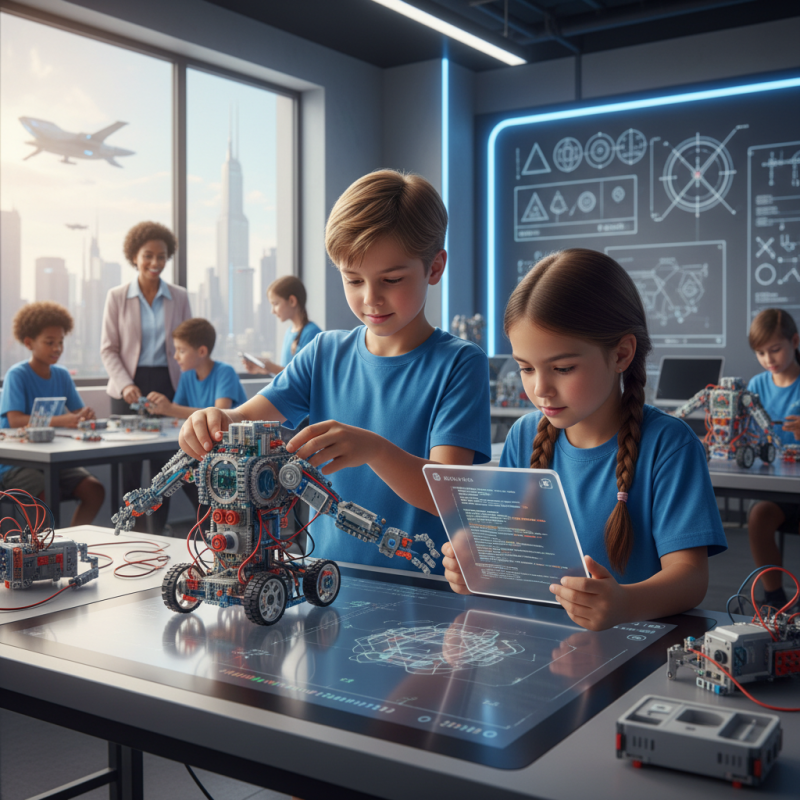
The landscape of STEM education is constantly evolving. In recent years, robotics has gained significant traction. Schools are incorporating robotics into their curricula. This shift is driven by the need for practical skills. Children engaging with robotics gain hands-on experience. They learn to build, program, and troubleshoot machines. These tasks foster critical thinking and problem-solving skills.
Robots can be more compelling than coding alone. They provide a tangible result for kids' efforts. Watching a robot come to life adds excitement. Kids feel the direct impact of their coding. This connection enhances their learning experience. Yet, not all schools have the resources for advanced robotics programs. Some educators worry about the disparities this creates. It's a challenge that needs addressing if we want equitable access.
The rise of robotics offers an opportunity for growth. Students learn teamwork as they often work in groups. Collaboration is essential in this field. Students learn from each other, sharing insights and ideas. This approach can transform classroom dynamics. However, it’s crucial to remember that not every child will thrive in a robotics-focused environment. Some may prefer traditional coding. Balancing both options could be key to effective STEM education.
Robotics education offers unique benefits compared to traditional coding skills. Kids learn to apply coding in a tangible way through building and programming robots. This hands-on approach cultivates creativity and critical thinking. Children can physically interact with their creations, which enhances understanding. They see their code in action, fostering a deeper grasp of programming concepts.
Moreover, robotics encourages collaboration. Students often work in teams to design and build projects. This teamwork promotes communication skills and problem-solving abilities. Children learn to tackle challenges together, sharing ideas and feedback. In contrast, traditional coding often focuses on individual work. While coding is valuable, it can lack the interactive experience found in robotics.
Additionally, robotics integrates multiple disciplines. It combines science, engineering, and mathematics. This interdisciplinary approach nurtures well-rounded thinkers. Kids engage not just with algorithms but with hardware. They develop skills that are essential in the modern workforce. However, this transition may not be easy for some. Some kids may find robotics overwhelming initially. The complexity requires time and patience to master. Encouraging a growth mindset is crucial as they face these challenges.
In 2026, robotics offers kids a unique path to learning. Engaging projects draw interest and promote creativity. While coding focuses on programming languages, robotics combines coding with tangible results. Children build, program, and interact with robots, which enhances critical thinking. According to a recent study by the International Society for Technology in Education (ISTE), students involved in robotic projects show a 30% increase in problem-solving skills.
Hands-on learning deepens understanding. Children don’t just see code; they witness the impact of their work. They learn through trial and error—fostering resilience and adaptability. As children face challenges in robotics, they develop teamwork skills. Working together on projects encourages collaboration. Research from the Robotics Education & Competition Foundation indicates that 55% of students form lasting friendships through these experiences.
Tips for parents: Encourage your child to explore. Find local workshops or clubs to foster their interests. Discuss their projects regularly to build confidence. Another tip is to set up small challenges at home. Building simple machines can ignite passion. These activities not only promote learning but also develop essential life skills. Embrace the journey and celebrate the process, even when things don’t go as planned.
In 2026, the landscape of education is shifting. Robotics stands out as a crucial skill for children. Unlike just coding, robotics integrates multiple fields. It combines engineering, technology, and creative thinking. Children learn to build and program devices. This process enhances problem-solving skills.
Engaging with robotics prepares kids for future careers. The job market is evolving rapidly. Many roles will require interdisciplinary skills. Learning robotics fosters collaboration. Children often work in teams, building social skills. They must communicate ideas effectively. This is essential in most workplaces today.
However, challenges remain. Not all schools have access to robotics programs. Teachers may lack training in this area. Schools must adapt to these educational needs. Kids should engage with mentors in the field. This connection creates pathways to future opportunities. Robotics can inspire innovation and creativity within young minds.
The rise of robotics in education provides unique opportunities for children. Robotics challenges are not merely technical tasks. They require critical thinking, creativity, and teamwork. Kids engage with these challenges in a hands-on manner, encouraging deeper learning. Coding alone can feel abstract. Robotics makes coding tangible and relevant.
In a robotics project, children identify problems and devise solutions. They learn to troubleshoot when their robots malfunction. This experience teaches resilience. Kids develop a growth mindset, understanding that failure is part of the learning process. Not every design works flawlessly. Some solutions demand multiple iterations and patience.
Moreover, collaborating in teams fosters communication skills. Children share ideas and work through conflicts. This social aspect is vital in today’s interconnected world. Robotics not only enhances technical skills but also nurtures empathy and collaboration. It equips kids with crucial life skills.
| Dimension | Robotics | Coding |
|---|---|---|
| Problem-Solving Skills | High | Medium |
| Creative Thinking | High | Medium |
| Collaboration Skills | High | Low |
| Engagement Level | Very High | High |
| Hands-On Experience | Yes | No |
| Real-World Applications | High | Medium |
: Robotics education helps children apply coding creatively. They physically interact with their projects, enhancing understanding.
Students often collaborate on projects. This teamwork improves communication and problem-solving skills.
Robotics combines science, engineering, and mathematics. This approach nurtures well-rounded thinkers.
Yes, some children may find robotics challenging at first. Patience and a growth mindset are crucial for success.
Hands-on projects deepen understanding. Kids learn through trial and error, which fosters resilience and adaptability.
Parents can encourage exploration and find local clubs. Regular discussions about projects can build confidence.
Robotics integrates multiple skills necessary for the evolving job market. It emphasizes collaboration and effective communication.
Many schools lack access to robotics programs. Teachers may also require more training in this field.
Setting up small challenges can ignite passion for robotics. These activities develop essential life skills.
Embracing the journey through challenges can boost motivation. It fosters a positive learning environment.
In 2026, the educational landscape continues to evolve, emphasizing the importance of robotics as a fundamental component of STEM education. This shift raises the question, "Why should kids learn robotics instead of just coding?" Robotics education provides numerous benefits over traditional coding skills, as it combines programming with hands-on engineering and design, allowing students to see the tangible results of their work. Engaging in robotics projects fosters creativity and critical thinking, essential skills for the modern workforce.
Moreover, robotics challenges enhance problem-solving abilities by encouraging kids to overcome real-world obstacles, preparing them for future careers in technology and engineering fields. By learning robotics, students not only gain technical skills but also develop teamwork and collaboration capabilities, making them well-rounded individuals ready to face the complexities of tomorrow's job market.
