Buddy robotics Buddy robotics

Why Do Kids Treat Robots Like Real Pets in 2026?

Time:2026-06-19 Author:Mason
0%

As technology evolves, the relationship between children and robots becomes increasingly intricate. Children often interact with robotic pets as if they are real companions. This phenomenon raises a critical question: "Why do kids treat robots like real pets?" The emotional responses these robotic companions evoke in young users invite both wonder and concern.

Young children may view robotic pets as friends. These devices simulate behaviors typical of living animals, offering companionship and comfort. The lifelike interaction can create bonds that resemble those formed with biological pets. However, the deeper implications of this trend warrant reflection. Are emotional connections with robots healthy?

The increasing reliance on robotics for emotional engagement prompts discussions about attachment and reality. As kids navigate these relationships, they may blur the lines between the virtual and the actual. Understanding these dynamics is essential for parents and educators alike. It encourages a conversation about the future of relationships in a technology-driven world.
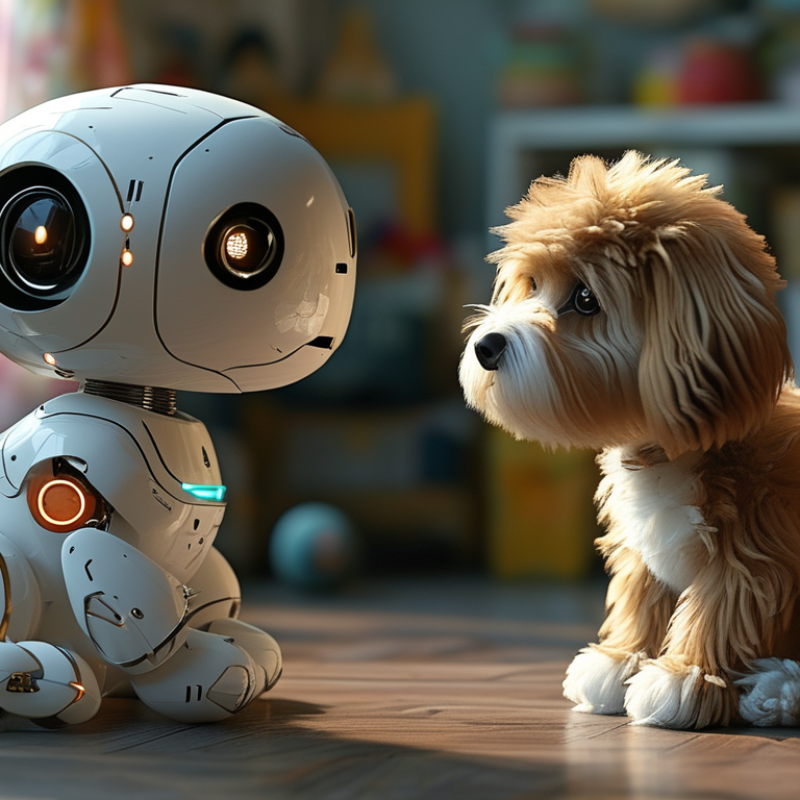
Why Do Kids Treat Robots Like Real Pets in 2026?

The Evolution of Robotics and Its Impact on Child Development

The rise of robotics has significantly transformed child development. In 2026, children are interacting with robots like they would with pets. This shift has been fueled by advancements in artificial intelligence and emotional recognition. Robots now respond to kids’ emotions, creating a bond that once belonged only to living creatures. These interactions can enhance social skills and empathy. However, they also raise questions about the nature of relationships and attachment.

Kids often express affection towards robotic pets. They engage in play, care routines, and even talk to them. This behavior suggests that robots can fulfill certain emotional needs. Yet, some experts caution against replacing real relationships with technology. Can a robot truly provide comfort? There’s a line between companionship and artificial interaction. As children navigate these experiences, it's vital to foster discernment. They must learn to balance feelings for robots and humans.

The relationship with robots is not straightforward. While beneficial, it can lead to reliance on technology for emotional fulfillment. This raises concerns about mental health and emotional literacy. Parents and educators face the challenge of guiding children through this new landscape. They need to ensure that children understand the difference between robotic companions and real bonds. Thus, as robotics evolve, so too must our approach to child development and emotional education.

Understanding Emotional Attachment in Children and Robots

In 2026, children's affection for robots mirrors their bond with pets. This emotional attachment isn't just a fleeting trend but appears rooted in psychology. Kids often see robots as companions, sharing their thoughts and feelings. These interactions help them feel less lonely, especially as they navigate complex emotions.

Robots often exhibit behaviors that evoke empathy. For instance, a robot that reacts to a child's laughter with a dance can enhance emotional connections. Such actions prompt children to treat robots with care. At times, this could lead to confusion. A child might feel a deeper emotional bond, struggling to distinguish between a real pet and a robotic one. This blurred line raises important questions about emotional learning and attachment.

The implications can be significant. While a robot can provide comfort, relying too heavily on it might hinder genuine social interactions. Reflection is necessary here. Are we enabling healthy emotional development? As technology advances, encouraging balanced relationships with both robots and humans becomes crucial. Recognizing this fine line is vital for healthy emotional growth.

Comparative Analysis: Robots vs. Traditional Pets

As technology advances, kids are increasingly treating robots as real pets. The emotional bond they form with these devices is compelling. Unlike traditional pets, robotic companions can be programmed to respond to specific behaviors. They can mimic emotions, learning to adapt to their owners' reactions. This creates a sense of companionship that feels real, even if it's artificial.

Traditional pets provide affection and comfort but require significant care. Feeding, grooming, and walking take time and effort. Robots demand far less, appealing to busy families. However, can a robotic pet replace the genuine connection found in living creatures? While robots offer convenience, they can't provide the warmth of a purring cat or a wagging dog tail.

Kids may struggle to understand the difference. They might bond with a robot but miss the lessons pets teach about responsibility and empathy. These experiences are vital in childhood development. Robotic pets can be fun but might leave emotional gaps. It's crucial to reflect on these aspects as we navigate this technological shift.

Comparative Analysis: Kids' Affection for Robots vs. Traditional Pets in 2026

Cognitive and Social Benefits of Interacting with Robotic Pets

In 2026, children increasingly view robotic pets as real companions. This shift reflects the cognitive and social benefits that arise from these interactions. Kids engage with these robots in ways that mirror their experiences with living pets. They develop empathy, responsibility, and emotional intelligence. When a child feeds, walks, or even comforts a robotic pet, they practice care-giving skills. This fosters essential attributes like kindness and companionship.

Additionally, the social aspect of robotic pets enhances children’s interaction with peers. Discussing their robots provides common ground for friendship. Group play scenarios often emerge, promoting teamwork and communication. It's fascinating how a lifeless object can spark intense social connections. However, some experts raise concerns. Can reliance on robotic pets lead to diminished real-life social skills? There’s a fine line between companionship and avoidance. It prompts parents and educators to reflect on this emerging dynamic in children's lives.

Interactions with robotic pets certainly offer valuable lessons. Yet, encouraging healthy relationships with both robots and humans is crucial. Robots should enhance, not replace, real-life connections. The future holds promise, but balance is vital. It’s important to navigate these new waters thoughtfully to ensure children thrive both socially and emotionally.

Future Implications of Robotic Companionship in Family Dynamics

As robotic companionship becomes more prevalent, families face new dynamics. In 2026, many kids interact with robots as if they were real pets, creating emotional bonds. According to a recent industry report from the Future of Robotics Institute, 72% of children aged 6 to 12 expressed attachment to robotic companions. This trend highlights a significant shift in how young people perceive relationships.

The implications for family dynamics are profound. Kids may prioritize robotic pets over traditional play, which can impact social skills. A survey by the Center for Family Interactions found that 55% of parents worry their children might prefer robots to real friends. This shift can lead to isolation or reduced empathy among peers.

Tip: Encourage a balance between robotics and real-life interactions. Set aside time for playdates and activities that involve human connection. This practice can help maintain vital social skills.

While robotic companions offer benefits, they also pose challenges. The potential for dependency on robots could hinder children's emotional development. Families should engage in open discussions about boundaries with technology. Encourage children to reflect on their feelings towards robots versus real pets. This reflection can foster deeper emotional intelligence.

FAQS

: How do kids bond with robotic pets?

: Kids often form emotional connections as these robots respond to their behaviors and mimic emotions.

What are some advantages of robotic pets over traditional pets?

Robotic pets require less care, making them appealing for busy families. They don’t need feeding or grooming.

Can robotic pets replace the emotional connection of living pets?

While robots offer convenience, they lack the warmth and affection of real pets, like purring cats or wagging dogs.

What lessons can children learn from traditional pets?

Traditional pets teach responsibility, empathy, and caregiving, which are important for childhood development.

Are there social benefits to interacting with robotic pets?

Yes, children often discuss robotic pets with peers, fostering friendships and teamwork in play scenarios.

Can reliance on robotic pets affect social skills?

Some experts worry that children may rely on robots, potentially diminishing their real-life social interactions.

How should parents approach robotic pets in their children’s lives?

It’s essential for parents to encourage healthy relationships with both robots and humans to ensure emotional growth.

What cognitive benefits do children gain from robotic pets?

Interacting with robotic pets helps kids develop empathy, responsibility, and emotional intelligence through care-giving activities.

Do robotic pets have limitations compared to real pets?

Yes, robotic pets can leave emotional gaps as they may not provide the same level of unconditional love as living animals.

What should families consider about robotic pets?

Families need to reflect on how robotic pets affect emotional and social development, ensuring balance with real relationships.

Conclusion

In the evolving landscape of robotics, children's interaction with robotic companions has become a fascinating area of study. The question arises, "Why do kids treat robots like real pets?" This phenomenon can be attributed to the advanced design and programming of robots that foster emotional attachment. As children engage with robotic pets, they often experience cognitive and social benefits, such as improved empathy and companionship, which are traditionally associated with live animals.

Comparative analyses reveal that, unlike traditional pets, robotic pets offer unique advantages, including consistent availability and adaptability to a child's emotional state. Looking ahead, the implications of robotic companionship in family dynamics suggest that these artificial companions may play a significant role in child development, potentially reshaping how families interact and bond. The exploration of this theme highlights the intricate relationship between technology and emotional well-being in the lives of children today.

Mason

Mason

Mason is a seasoned marketing professional with a deep expertise in the company's offerings and a passion for driving brand awareness. With a strong background in digital marketing strategies, he has an innate ability to connect with diverse audiences and effectively communicate product benefits.......