Buddy robotics
In 2026, as the world grapples with electronic waste, the question "How to recycle old robot toys?" gains urgency. According to a recent report by the Global Electronics Council, over 50 million metric tons of e-waste were generated in 2022, with a forecasted 21% increase by 2026. This surge highlights the need for effective recycling strategies.
Robot toys, once treasured, can contribute to this growing problem. A significant portion of these toys ends up in landfills, taking hundreds of years to decompose. Some contain hazardous materials that can leach into the environment. By recycling, not only can we reduce waste, but we can also recover valuable materials. Industry studies suggest that recycling electronics can recover up to 80% of materials, providing both economic and environmental benefits.
However, the recycling process is often overlooked. Many people are unsure about where to start. Local recycling programs may lack the specific facilities needed for old toys. Therefore, it is essential to explore community initiatives and education on responsible recycling. This raises a critical point: while awareness is growing, much work remains to be done in guiding consumers on effective recycling practices for their beloved robot toys.
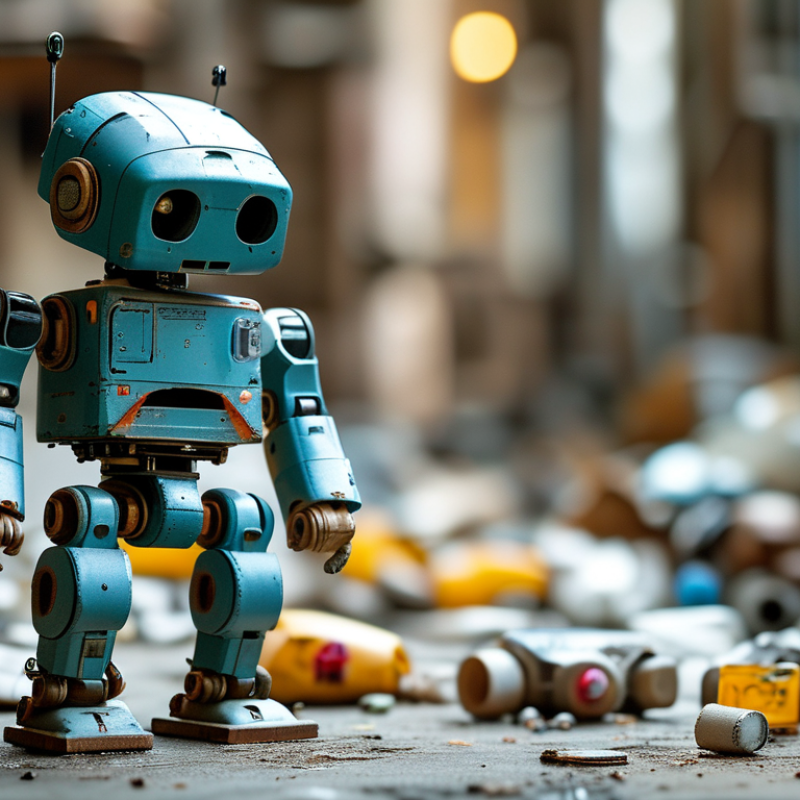
In 2026, recycling old robot toys can be a meaningful way to reduce e-waste. Industry stats reveal that electronics make up about 70% of toxic waste. Many parents struggle to know what can be recycled. The first step is identifying materials. Toys made with plastic, metal, and electronic components can often be recycled.
Check for the recycling symbol on each toy. The presence of this symbol suggests it is recyclable. Some manufacturers provide guidelines on how to dispose of their products. Remove batteries before recycling. Batteries are often hazardous and require special handling.
Look into local recycling programs. Many communities now have e-waste collection events. Reports estimate these programs increase recycling rates by 30%. If uncertain, contact your local waste management. They can guide you on proper disposal. Reflection is key. Many toys may seem recyclable, but not all materials break down easily. Knowing the limitations helps promote better recycling habits.
| Toy Name | Material | Recyclable | Comments |
|---|---|---|---|
| Classic Robot | Plastic | Yes | Check local guidelines for plastic recycling. |
| Transformer Bot | Metal & Plastic | Yes | Disassemble before recycling. |
| Remote Control Droid | Plastic & Electronics | No | Contains hazardous materials. |
| Robot Dog | Plastic | Yes | Clean before recycling. |
| Build-a-Bot Kit | Mixed Materials | Yes | Sort parts by material. |
Cleaning and preparing old robot toys for recycling can be a rewarding task. Start by gathering the toys, ensuring you have enough space to work. Check the toys for any removable parts, like batteries or small components, and set them aside for proper disposal. This step is crucial; many electronics can be hazardous if not handled correctly.
Next, use a damp cloth to wipe down the surfaces of the toys. For tougher grime, a mild soap solution can be effective. Ensure no water enters any electronic compartments. After cleaning, let the toys dry completely. Mold or bacterial growth can occur if moisture is sealed inside. Inspect everything carefully. If a toy is damaged beyond repair, consider taking it apart for recyclable materials—like metal or plastic components.
Lastly, find your local recycling center that accepts electronic waste. Some centers have specific guidelines on how to prepare items for recycling. If the facility has restrictions, be sure to follow them closely. It's important to make informed choices when recycling to reduce environmental impact. As you recycle, reflect on the lifecycle of each toy and think about how future purchases can be more eco-friendly.
Recycling old robot toys can be a fun, engaging task for families. Many local facilities offer options that promote sustainability. According to a 2023 industry report, only 15% of discarded electronics are recycled properly. This highlights a significant gap in awareness. Knowing where to recycle can make a huge difference.
Local recycling programs often accept robotic toys. Many communities partner with organizations to provide designated drop-off points. Some municipalities even host special collection events. Engaging with these options is essential. It not only helps reduce landfill waste but also supports local initiatives. In the case of robot toys, many components can be broken down into recyclable materials. Some parts might even be refurbished or donated.
However, not all toys can be recycled easily. Understanding the materials used in robotic toys is crucial. Many contain batteries, which need special handling. A 2022 study indicated that improper disposal of batteries contributes to toxic waste. Families should check guidelines from their local recycling programs. This involvement fosters awareness and responsibility. It's a small step but vital for a cleaner future.
Old robot toys can spark creativity and resourcefulness. Instead of tossing them in the trash, consider upcycling them. One fun idea is to turn them into planters. Simply remove the inner components and fill the body with soil. Choose small plants like succulents or herbs for this project. The toys bring a unique touch to your home.
Another approach is to create art pieces. You can paint the robot toys or combine multiple toys into a single sculpture. This transforms discarded items into conversation starters. Some people even use them in mixed media projects, where they add paint, fabric, or other materials.
It's important to acknowledge that not every idea will work perfectly. Sometimes, the vision in your head doesn’t translate well to reality. Experiment and learn from your mistakes. This journey of upcycling can lead to unexpected outcomes that are just as valuable. Embrace the imperfection; it's part of the process.
This chart showcases various creative upcycling methods for old robot toys, indicating the percentage of people who prefer each method for recycling.
Disposing of old robot toys can significantly impact the environment. According to a report by the Environmental Protection Agency (EPA), approximately 9.7 million tons of plastic waste come from toys annually in the U.S. Many robot toys, composed of various plastics and electronic components, contribute to this daunting figure. Improper disposal leads to pollution and harms wildlife. The chemicals from these toys can leach into the soil and waterways, causing long-term damage to ecosystems.
Tips for responsible disposal are essential. Consider donating working toys to local schools or charities. Recycling programs dedicated to electronic waste can also help. Many communities offer drop-off events for old electronics, ensuring they are processed safely. Check with local recycling centers for guidelines on robot toy disposal. Often, disassembling toys into their components can facilitate better recycling options.
It’s worth reflecting on our consumption patterns. Many parents purchase new toys every holiday season, creating a waste cycle. The desire for the latest technology often overshadows the need for sustainability. We must assess what we buy and how we dispose of it. Choosing quality toys that are designed to last can lead to less waste in landfills. Sustainable practices should guide our purchases and disposal methods in the future.
: Robot toys made from plastic, metal, and electronic components are often recyclable.
Look for the recycling symbol on the toy. It indicates recyclability.
Remove batteries before recycling. They need special handling due to hazards.
Wipe the toys with a damp cloth. Use mild soap for tougher grime, avoiding electronic compartments.
If damaged beyond repair, take it apart to recycle its metal or plastic parts.
Look for local recycling centers that accept electronic waste and follow their specific guidelines.
Consider turning them into planters or unique art pieces.
Think about each toy's lifecycle and how future purchases can be more eco-friendly.
No, not every upcycling attempt will succeed. Embrace mistakes and learn from them.
Cleaning prevents mold or bacteria growth by ensuring no moisture is sealed inside.
The article "Recycle Old Robot Toys in 2026: How Can You Do It?" provides a comprehensive guide on how to recycle old robot toys effectively. It outlines essential steps for identifying which toys are suitable for recycling in 2026 and offers practical advice on cleaning and preparing them. Readers will learn about various options for recycling, including local facilities and programs dedicated to toy recycling. Additionally, the article encourages creativity by presenting ways to upcycle robot toys, turning them into new items rather than simply discarding them.
Understanding the environmental impact of disposing of old robot toys is crucial, as improper disposal can harm the ecosystem. By addressing the question, "How to recycle old robot toys?" the article inspires readers to make eco-friendly decisions while promoting sustainability within their communities.
