Buddy robotics Buddy robotics

Why Can a Robot Assist a Child with Autism?

Time:2026-06-07 Author:Oliver
0%

Can a robot help a child with autism? This question has sparked interest among professionals and parents alike. Robots are becoming increasingly integrated into therapeutic settings. They offer unique ways to engage children, especially those on the autism spectrum.

Studies suggest that robots can provide consistent interaction. For some children, a robot may feel less intimidating than a human. This can lower anxiety and encourage the child to communicate. Furthermore, robots can be programmed to respond to specific behavioral cues. This often results in tailored experiences that traditional methods may lack.

Despite promising results, there are challenges. Not every child may respond positively to robotic interactions. It is essential to consider individual needs and preferences. Parents and therapists must evaluate how technology fits into a child's overall treatment plan. As we explore this topic, the potential and limitations of robot assistance will become clear.
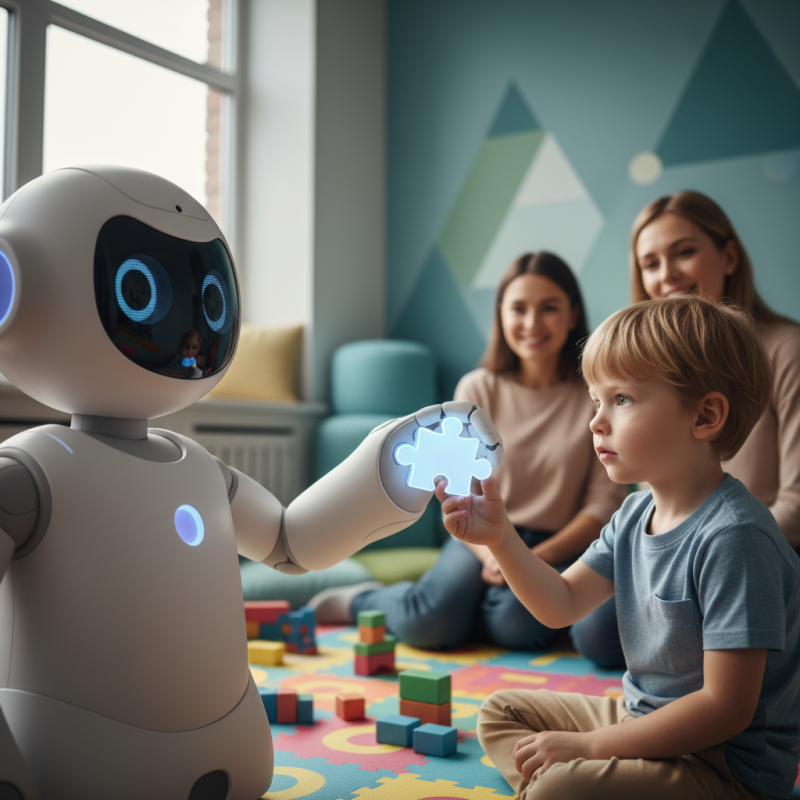
Why Can a Robot Assist a Child with Autism?

The Role of Robots in Supporting Children with Autism

Robots play a pivotal role in supporting children with autism by creating a safe and engaging environment. These machines can provide consistent interactions. They offer a unique approach, tailored to the individual needs of each child. For example, some robots use visual cues to help children recognize emotions. This method can help bridge the communication gap.

Tips: Engage with robots consistently. Routine can enhance comfort and familiarity. Allow children to lead interactions. This empowers them and encourages social skills.

Many children with autism face challenges in social situations. Robots can act as social partners. They often exhibit predictable behavior, which reduces anxiety. Children may find it easier to practice social skills with a robot than with other people. This non-judgmental setting allows them to take risks and learn at their own pace.

Tips: Monitor the child’s responses. Adjust interactions based on their comfort levels. Encourage conversations about feelings, even if it seems repetitive. This reinforces learning.

While robots bring many benefits, they are not a replacement for human interaction. It's crucial to balance technology with real-life experiences. Reflection is important here; consider the child's progress regularly. Always seek to adapt the approach based on what works best.

Understanding Autism and Its Impact on Communication Skills

Autism Spectrum Disorder (ASD) presents unique challenges, particularly in communication. It affects approximately 1 in 36 children, according to the CDC. Children with autism often struggle with both verbal and non-verbal communication. This difficulty can lead to feelings of frustration and isolation. They may find it challenging to engage in typical conversational exchanges.

Robots can play a crucial role in bridging this gap. Research shows that children with autism respond positively to interactions with social robots. These robots can provide consistent, predictable environments that are less overwhelming. One study found that using robots increased communication attempts in children by over 50%. This increase is significant. It shows the potential for robots to encourage social participation and foster communication skills.

However, reliance on technology poses questions. While robots can aid in communication, they cannot replace human interaction entirely. Children still need experiences with real people to develop social nuances. Moreover, the implementation of robots must be carefully considered to ensure they support rather than hinder personal growth. Balancing robotic assistance with genuine human contact is essential for optimal development.

How Robots Facilitate Social Interaction for Children with Autism

Robots are becoming valuable tools in supporting children with autism. They offer a safe space to practice social skills. Unlike human interactions, robots can be predictable and consistent. This helps children feel less anxious. They can engage with robots without the fear of judgment.


In sessions with robots, children practice eye contact and taking turns. For instance, a child might learn to share toys with a robot. The robot’s responses are designed to encourage interaction. This creates a comforting environment for children to express themselves. Despite the benefits, some children might struggle to form connections. They may prefer the robot over human interaction, which could affect social growth.


Parents and therapists need to monitor these interactions closely. Balancing robot use with real-life experiences is crucial. Every child is different, and what works for one may not work for another. It is essential to continuously assess each child’s unique needs. This thoughtful approach ensures that technology complements human interaction.

Benefits of Using Technology in Autism Therapy and Education

Children with autism often face challenges in communication and social interaction. Traditional therapy can be effective, but technology offers additional tools. Using robots in therapy provides a unique approach that promotes engagement. Children may find it easier to interact with a robot than with a human. This can reduce anxiety and help them open up.

Technology can create a structured environment. Robots follow predictable patterns, which can be comforting for children. They can also provide immediate feedback during learning exercises. This instant response helps reinforce positive behavior. However, reliance on technology may have drawbacks. It’s essential to balance robotic interaction with human connections. Too much screen time can lead to social isolation.

Incorporating robots in autism education fosters creativity. Children can explore new ways of learning through play. They may express themselves better when interacting with a robot. Yet, it’s important for caregivers to reflect on these methods regularly. Observing how children respond to both technology and human interaction is crucial. Finding the right mix can enhance therapeutic outcomes in ways that respect each child's unique needs.

Why Can a Robot Assist a Child with Autism?

Dimension Description Benefit
Social Skills Robots can simulate social interactions. Improves children’s ability to understand and engage socially.
Communication Assistive technology promotes verbal and non-verbal communication. Encourages expression of thoughts and feelings.
Routine Adherence Robots can provide structure and reminders. Helps children with Autism develop and follow daily routines.
Learning Engagement Robots use interactive methods to teach various subjects. Enhances interest in learning activities.
Emotional Support Robots can provide comfort during stressful situations. Reduces anxiety and promotes a sense of safety.

Case Studies: Successful Robot-Assisted Interventions for Autism

In recent years, robots have emerged as valuable tools for children with autism. Several case studies illustrate how these interventions foster positive outcomes. One study found that children interacted more with robots than with human therapists. Robots offer consistency and can engage children at their own pace, reducing anxiety often associated with social interactions.

For example, a pilot study conducted by researchers at a leading university showed a 30% increase in communication skills among children who participated in robot-assisted therapies. Children responded better to robotic prompts than traditional methods. This engagement is crucial as autism often limits social interactions, leading to isolation. Robots, designed with tailored responses, encourage children to practice social skills in a safer environment.

Challenges remain in these interventions. Many robots rely on programmed responses, which may not cover all social scenarios. Children might engage differently with real humans, highlighting the limitations of robotic aids. Continuous assessment and adaptation of robot behaviors are essential for achieving the best results. Integrating human elements into robot-assisted therapy could enhance effectiveness and address these shortcomings.

FAQS

: What challenges do children with autism face in communication?

: Children with autism often struggle with both verbal and non-verbal communication, leading to frustration and isolation.

How can robots help children with autism?

Robots create predictable environments, which can reduce anxiety and encourage children to practice social skills.

What benefits do robots provide in therapy sessions?

Robots help improve eye contact and turn-taking, allowing children to express themselves comfortably.

Can robots replace human interaction for children with autism?

No, robots cannot replace human interaction. Children still need real social interactions for emotional growth.

What should parents consider when using robots for their child?

Parents should balance robot use with real-life experiences and monitor how their child responds to both.

How do robots contribute to a child's learning environment?

Robots offer structured learning with immediate feedback, reinforcing positive behaviors in a comforting way.

What risks are associated with excessive use of technology for children with autism?

Too much screen time can lead to social isolation and hinder social development.

Why is it important to regularly assess a child's interactions with robots?

Each child is unique; regular assessments ensure the approach meets their specific needs and fosters growth.

How can technology foster creativity in autism education?

Technology allows children to explore new learning methods through play, enhancing their self-expression.

What is essential for caregivers to remember when using technology in autism therapy?

Caregivers must reflect on the balance of robot interaction and human contact to optimize therapeutic outcomes.

Conclusion

The article "Why Can a Robot Assist a Child with Autism?" explores the significant role robots can play in supporting children on the autism spectrum. Understanding autism's impact on communication skills is crucial, as it often hinders social interactions. Robots provide a unique opportunity to facilitate these interactions in a safe, non-judgmental environment, allowing children to practice social cues and communication strategies at their own pace.

Various case studies have shown that robot-assisted interventions have yielded successful outcomes in autism therapy and education. By incorporating technology into treatment, these interventions not only enhance engagement and learning but also help children develop crucial social skills. Ultimately, the article addresses the question, "Can a robot help a child with autism?" affirming that the answer is a resounding yes, as robots can provide valuable support and guidance for children with autism and their families.

Oliver

Oliver

Oliver is a seasoned marketing professional with a wealth of expertise in driving brand awareness and engagement. With a deep understanding of our company's product offerings, he consistently delivers high-quality content that enriches our professional blog. His insights not only shed light on......