Buddy robotics
When utilizing robots equipped with sensors, encountering malfunctions in sunlight can be perplexing. Many users may ask, "Why is the robot sensor not working in sunlight?" This common issue often stems from the technology behind light sensors. Sunlight can interfere with the sensor's ability to detect objects or process data accurately.
Environmental factors play a crucial role in determining sensor performance. Bright sunlight, particularly during midday, can cause glare and reflection. These disturbances lead to incorrect readings or complete failures. Additionally, certain materials used in sensors may not effectively filter out intense light.
Understanding the mechanics of robot sensors can illuminate why such problems occur. Users must consider both the design of their robot and the surroundings in which it operates. This reflection can help improve reliability. Acknowledging the limitations of current technology is essential for optimizing robot functionality. By addressing these challenges, users can enhance their robots' performance even in bright conditions.
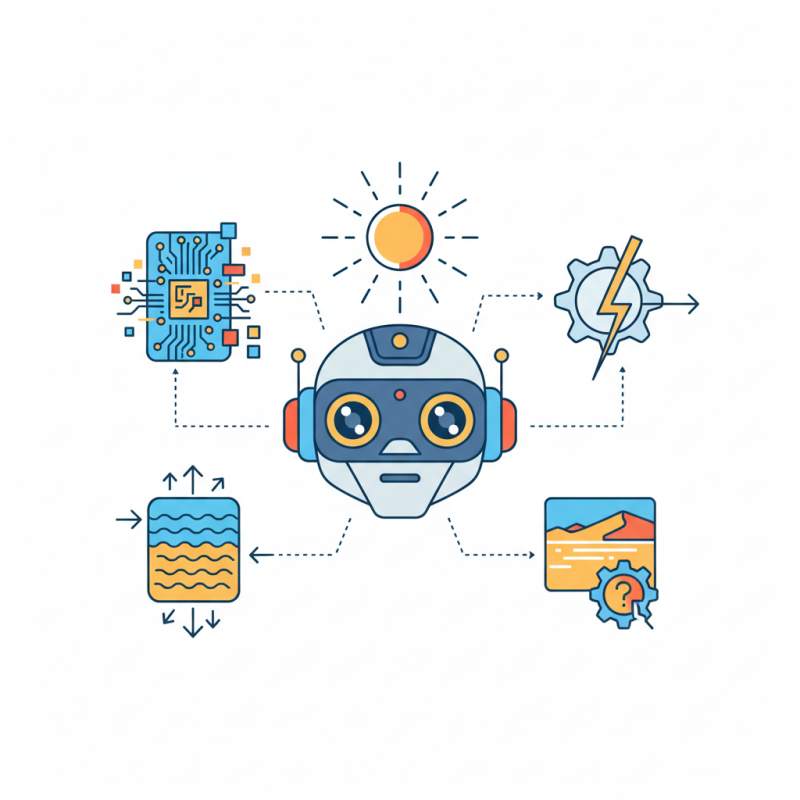
Robots rely heavily on sensors for navigation and interaction. However, these sensors can struggle in sunlight. Bright light can interfere with their accuracy, leading to malfunctions. This issue is common in outdoor robots, especially during sunny days.
One major factor is the glare caused by sunlight. Glare can overwhelm the sensor's ability to detect objects accurately. It may cause false readings or complete failure to recognize surroundings. Additionally, infrared sensors may face challenges as sunlight can produce high levels of infrared noise.
Temperature also plays a critical role. Direct sunlight can heat sensors, causing them to behave unpredictably. Overheating may lead to slower response times or even permanent damage. Engineers should consider these factors when designing robots for outdoor use. Testing in real sunlight conditions ensures they can cope with environmental challenges.
In robotics, various sensors play critical roles. Light sensors, ultrasonic sensors, and infrared sensors are common. These components help robots navigate and understand their environment. However, issues arise when certain sensors malfunction in bright sunlight. This often occurs due to their sensitivities.
Light sensors, for instance, can struggle in direct sunlight. They may give false readings, leading to incorrect data processing. Ultrasonic sensors can misinterpret reflections from hard surfaces in bright conditions, causing erratic behavior. Understanding the limitations of these sensors is crucial for troubleshooting.
**Tip:** Use shaded areas for testing. This can minimize the impact of sunlight on sensor performance. Consider adjusting the sensor's settings for optimal performance in different lighting conditions.
Another consideration involves infrared sensors. They may have reduced effectiveness in bright light due to interference from ambient light. Testing your robot in varied lighting situations is essential to identify such issues.
**Tip:** Regular calibration can enhance sensor reliability. Keeping sensors clean and operational helps maintain accurate readings. Always check for wear and tear; even small damages can lead to significant problems.
Sunlight can significantly affect robot sensor performance. Infrared radiation is particularly disruptive. Many sensors fall short in direct sunlight, leading to inaccurate readings. This phenomenon occurs due to the interference of various light wavelengths. As a result, robots may struggle to perceive their environment.
To enhance sensor reliability, consider these tips.
Be mindful that no sensor is perfect. Even the best systems can falter under strong sunlight. It's essential to test sensor effectiveness in various conditions. Observing performance over time will reveal weaknesses. Regular evaluations will promote improvement in sensor design and functionality.
Sunlight interference can significantly affect the performance of robotic sensors. This issue arises from various factors, including sensor materials and design. According to a study published by the Institute of Electrical and Electronics Engineers (IEEE), nearly 30% of robotic systems experience malfunction under direct sunlight. The most affected sensors tend to be those utilizing photodetectors, which can misinterpret sunlight as signal noise.
To minimize sunlight interference, adjusting the sensor's positioning can be effective. Some experts recommend incorporating shade mechanisms to block direct light. Additionally, using filters that specifically block certain light wavelengths may enhance sensor accuracy. Research from the Robotics Institute indicates that implementing such filters can improve performance by up to 40% in bright conditions. Ensuring your sensors have proper calibration also helps. A staggering number of robotic failures stem from inadequate tuning, often exacerbated by environmental changes.
Integration of advanced algorithms that adapt to varying light conditions is another viable strategy. Machine learning models can process sensory data in real-time, filtering out unwanted signals effectively. These techniques, when applied correctly, demonstrate a marked reduction in erratic behavior caused by sunlight. Yet, reliance on algorithmic solutions alone may not suffice. Human oversight remains crucial for constantly evolving outdoor environments.
The impact of sunlight on robot sensors can lead to unexpected malfunctions. In real-world scenarios, these malfunctions can hinder robot performance. For instance, in automated agriculture, sensors may misread soil conditions under direct sunlight, causing incorrect moisture readings. This can result in inadequate irrigation, harming crops and wasting resources.
Another case involved delivery drones encountering sunny conditions. The sensors detected bright light as obstacles, causing erratic navigation. Such issues highlight the importance of sensor calibration. Yet, not all failures are obvious. Some sensors may operate incorrectly but still provide misleading data. This ambiguity complicates troubleshooting. Engineers must consider environmental factors, like sunlight intensity, when designing robust sensors.
Real-life incidents show that reliance on technology can be problematic. Factors like angle of sunlight and optical interference can disrupt sensor accuracy. Developers must continually test sensor systems in varied conditions to understand limitations. A deeper understanding of environmental effects can lead to improved designs. Ultimately, acknowledging these challenges is crucial for advancement in robotic technology.
| Case Study | Issue Type | Sensor Type | Temperature (°C) | Impact Description | Mitigation Strategy |
|---|---|---|---|---|---|
| Autonomous Lawn Mower | Inaccurate Grass Detection | Ultrasonic Sensors | 35 | Mower fails to distinguish between grass and pavement. | Use of shaded covers or modifying sensor sensitivity. |
| Delivery Drone | GPS Signal Loss | GPS Module | 40 | Drone cannot navigate effectively in sunny conditions. | Implement a multi-constellation GNSS receiver. |
| Robotic Vacuum | Obstacle Avoidance Failure | Infrared Sensors | 30 | Vacuum crashes into furniture due to poor detection. | Adjust positioning of sensors and use different detection technologies. |
| Factory Robot Arm | Misalignment Detection Issue | Vision Sensors | 28 | Robot fails to accurately detect component alignment. | Apply anti-glare coatings to sensors and enhance image processing algorithms. |
: Common sensors include light sensors, ultrasonic sensors, and infrared sensors. They navigate and understand the environment.
Light sensors can struggle in direct sunlight. They may provide false readings and lead to incorrect data processing.
Ultrasonic sensors may misinterpret reflections from hard surfaces. This can cause erratic behavior in robots.
Testing helps identify weaknesses, especially interference from ambient light. This ensures reliable sensor performance.
Using shields to block sunlight, positioning them away from light sources, and regular calibration can enhance reliability.
Regular calibration, keeping sensors clean, and checking for wear are essential. Small damages can lead to big issues.
No sensor is perfect. They can falter under strong sunlight. Observing performance helps improve design and functionality.
Regular evaluations promote improvement. Observing over time reveals weaknesses and encourages advancements in sensor technology.
The article "Why is My Robot Sensor Malfunctioning in Sunlight?" explores several critical factors that can impair sensor performance under bright sunlight. One primary concern is the sensitivity of different types of sensors commonly used in robotics. These sensors may struggle with interference from infrared radiation, which can compromise their accuracy and reliability during operation.
To address the query, "Why is the robot sensor not working in sunlight?", the article suggests various solutions to minimize sunlight interference, such as protective shielding and calibration techniques tailored for outdoor conditions. Additionally, it discusses real-world case studies that illustrate how sunlight-induced malfunctions have affected robotic systems, highlighting the importance of understanding environmental conditions for optimal sensor performance.
